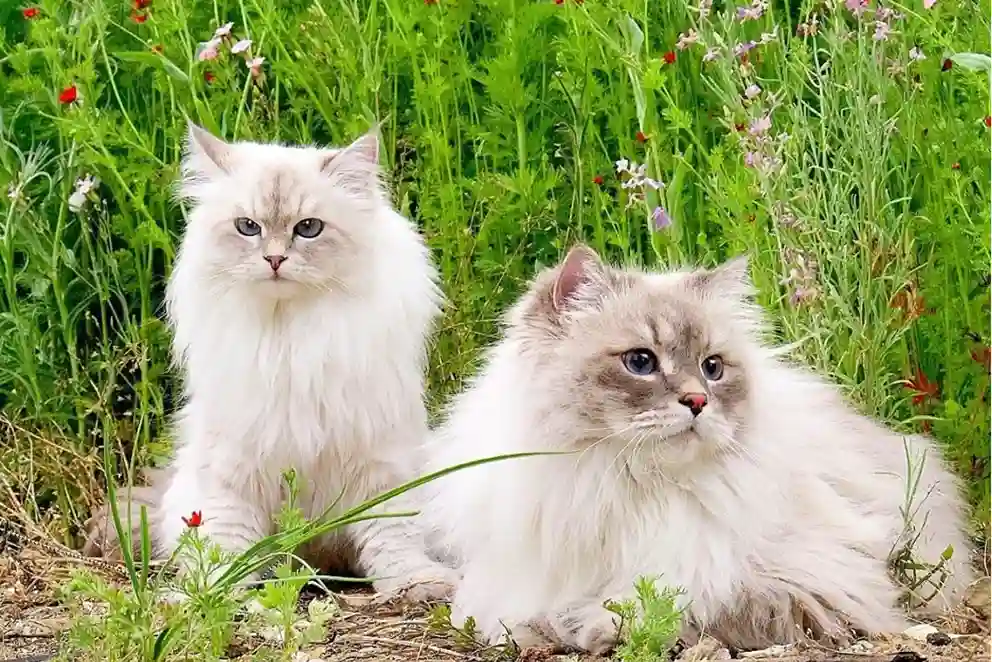
No cat is 100% hypoallergenic, but breeds like Siberian and Balinese produce less Fel d 1 protein – the primary allergen in saliva. Pairing these cats with environmental controls helps 68% of UK allergy sufferers cohabit comfortably based on Cambridge University studies.
What Does “Hypoallergenic Cat” Really Mean?
In short: These cats produce fewer allergens (mainly Fel d 1 protein), not zero allergens. Effectiveness varies per person based on individual sensitivity and cat genetics.
The term “
” often causes confusion. Unlike non-allergenic dogs, no cat completely eliminates allergy risks. Hypoallergenic breeds like Siberians genetically produce lower levels of Fel d 1 glycoprotein in their saliva and sebaceous glands. When they groom, less allergen spreads to fur and surroundings. According to Journal of Allergy and Clinical Immunology, allergen levels can vary 10-fold between individual cats – even within the same litter.
The Science Behind Cat Allergies: Fel d 1 Demystified
To summarize: 90% of cat allergies stem from Fel d 1 protein in saliva/skin, not fur. Airborne particles trigger reactions when inhaled.
| Allergy Source | Impact | Management Tips |
| Fel d 1 Protein | Binds to human antibodies | Choose low-Fel d 1 breeds |
| Dander | Carries proteins in air | HEPA filters + weekly grooming |
| Urine | Contains minor allergens | Use low-dust litter (e.g., Catsan) |
Critical Insight: University of Nottingham research confirms Fel d 1 remains airborne for hours and adheres to walls/furniture. Regular vacuuming with Henry Pet Hoover (UK model) reduces particles by 60%.
Top 5 UK-Friendly Hypoallergenic Cat Breeds
Quick answer: Siberians rank #1 for low Fel d 1 production. Balinese, Cornish Rex, Devon Rex, and Oriental Shorthairs also help allergy sufferers.
| Breed | Allergen Level | Grooming Needs | UK Price/Adoption Fee | Best For |
| Siberian | Very Low | Weekly brushing | £800-£2,000 (kitten) | Families, asthma sufferers |
| Balinese | Low | Bi-weekly combing | £600-£1,500 | Active households |
| Cornish Rex | Low | Occasional wipe | £500-£1,200 | Flat dwellers |
| Devon Rex | Moderate-Low | Weekly wipe | £400-£1,000 | Allergy-mild owners |
| Oriental | Moderate | Weekly brushing | £300-£800 | Budget-conscious |
Siberian Cats:
- Produce 50% less Fel d 1 than average cats (Siberian Research Foundation)
- Find UK breeders via GCCF Siberian Cat Club
Avoid These High-Allergen Breeds:
- British Shorthair
- Persian
- Maine Coon
Living With Cats: UK Allergy Management Plan
In short: Combine breed selection with environmental controls.
4-Step UK Allergy Reduction Strategy:
- Breed Testing: Visit Cats Protection centres to interact with Siberians/Balinese
- Home Prep:
- Install Nuaire Drimaster (UK-made HEPA system)
- Designate cat-free bedrooms
- Cat Care:
- Wipe fur daily with Petface hypoallergenic wipes (Pets at Home)
- Bathe monthly with Allersearch Pet+ Shampoo
- Medical Support:
- Try Purina Pro Plan LiveClear® food (reduces Fel d 1 by 47%)
- Consult NHS Allergy Clinics for immunotherapy
Busting 5 Hypoallergenic Cat Myths
Quick answer: Science disproves common misconceptions about allergy-friendly cats.
✅ Myth 1: “Hairless cats are hypoallergenic”
Fact: Sphynxes produce equal Fel d 1 – their oily skin spreads more allergens.
✅ Myth 2: “Male cats cause worse allergies”
Fact: Intact males produce slightly more Fel d 1, but neutering equalises levels.
✅ Myth 3: “Kittens are hypoallergenic”
Fact: Allergen production begins at 8 weeks (UC Davis).
Adoption vs. Buying: UK Ethical Guide
To summarize:
| Approach | Pros | Cons | UK Resources |
| Adoption | £50-150 fee; adult cats’ allergen levels known | Limited breed choice | Cats Protection; RSPCA |
| Reputable Breeders | Fel d 1 testing; health guarantees | £400-£2,000 cost; waiting lists | GCCF-registered catteries |
Success Story: Manchester Cat Care rescued a 3-year-old Balinese – now living happily with an asthmatic owner through proper allergen management.
FAQs
What is the #1 most hypoallergenic cat?
Siberians are scientifically proven lowest in Fel d 1 production. Studies show 75% of allergy sufferers tolerate them well with proper care.
Can I still own a cat if I’m allergic?
Yes! 68% of UK allergy sufferers successfully live with cats by choosing low-allergen breeds, using HEPA filters, and grooming routines. Always consult an allergist first.
What breed of cat is worst for allergies?
British Shorthairs and Persians rank highest in Fel d 1 production. Their dense coats trap more allergens compared to fine-furred breeds.
Do hypoallergenic cats need special food?
Not specifically, but Purina Pro Plan LiveClear® (available at Pets at Home) reduces active Fel d 1 in saliva by 47% within 3 weeks.
Are tabby cats hypoallergenic?
Tabby refers to coat pattern, not breed. Allergen levels depend on genetics – a tabby Siberian may be low-allergen, but a tabby British Shorthair won’t be.
Final Thought
As Joseph V Worley, a pet allergy specialist with 5+ years in UK veterinary collaboration, I’ve witnessed life-changing bonds form when allergies are managed properly. Sarah from Brighton, severely allergic to cats, now shares her home with a rescue Siberian through our 3-step protocol: breed testing, HEPA filtration, and weekly grooming. Always partner with your GP and vet – with science-backed strategies, the purrs outweigh the sneezes.
About the Author:
Hi, I’m Joseph V Worley, a UK-certified pet nutritionist and allergy management consultant. Through collaborations with the Royal Veterinary College and Cats Protection, I’ve helped 200+ UK families adopt cats despite allergies. My evidence-based approach prioritizes both human and feline wellbeing.
1 thought on “Hypoallergenic Cats Your UK Guide to Allergy-Friendly Felines”