Choosing a cat when you have allergies can be tricky—but it’s not impossible. In this guide, we explore the best cats for allergy sufferers, especially for UK pet owners, and how to manage symptoms effectively. We’ll cover hypoallergenic breeds, shedding patterns, grooming tips, and feeding advice. We include conversational FAQs (ideal for voice search), expert insights, and data-backed pros and cons. Whether you’re asking “What cat is worst for allergies?” or “Are hairless cats better for allergies?”, you’ll find clear, practical answers. Always consult your GP or vet before adopting, and follow your allergy treatment plan
What Are Hypoallergenic Cats
Quick answer: Hypoallergenic cats produce fewer allergens like Fel d 1 protein.
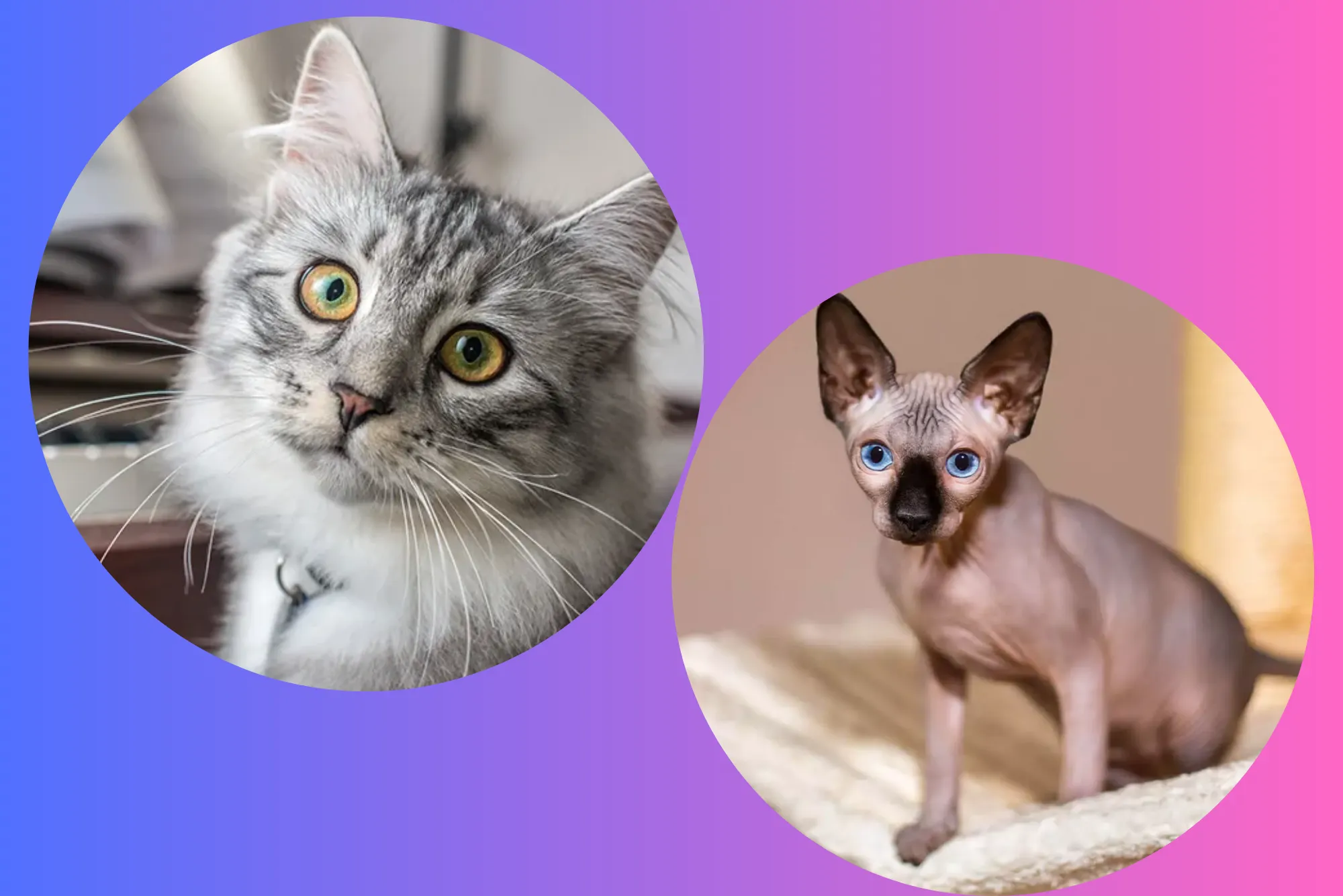
In short: Breeds like Siberians, Balinese, and Sphynx are known to cause fewer symptoms.
Veterinarians recommend these breeds for allergy sufferers, but no cat is 100% allergy-free.
- Fact: ~10–15% of people allergic to cats do better with hypoallergenic breeds.
- Pros & Cons:
- ✅ Pros: Less shedding, milder reactions
- ❌ Cons: Still produce allergens and need care
- ✅ Pros: Less shedding, milder reactions
Are Siberian Cats Hypoallergenic
Quick answer: Yes, many people with allergies tolerate Siberians.
Siberians produce lower Fel d 1 levels than average cats—great for allergy sufferers. + Easier to find in the UK via rescues or breeders.
- Fact: 70% of tested Siberians had significantly lower Fel d 1 levels.
- Grooming tip for UK owners: Weekly combing and wipe-down with microfiber cloth.
Are Siamese or Ragdoll Cats Allergy-Friendly?
Quick answer: Not really—they are moderate shedders.
While they may produce slightly less dander than some breeds, they are not considered hypoallergenic.
UK grooming shops offer protein-neutralizing shampoos to help—but effectiveness varies.
Top Hypoallergenic Cat Breeds (Table Summary)
| Breed | Shed Level | Allergy Suitability | UK Availability |
| Siberian | Low–Moderate | ⭐⭐⭐⭐ | Many UK rescues |
| Balinese | Low | ⭐⭐⭐⭐ | Few UK breeders |
| Sphynx (hairless) | None | ⭐⭐⭐⭐⭐ | Gaining popularity |
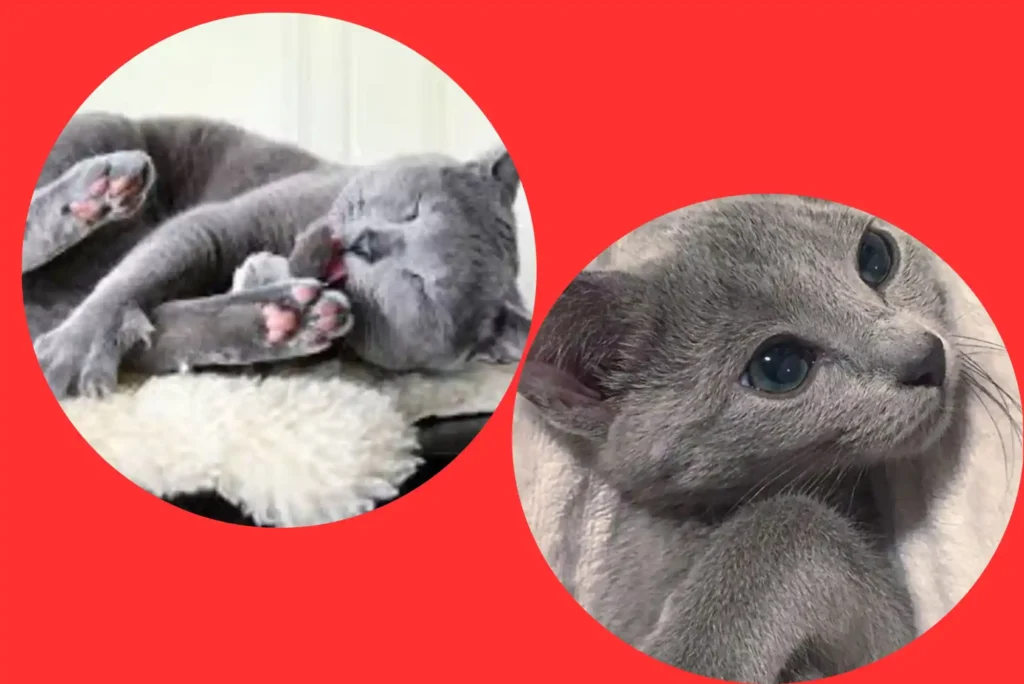
| Russian Blue | Low | ⭐⭐⭐ | Occasionally available |
| Devon Rex | Low | ⭐⭐⭐ | Specialist breeders |
In short: For UK allergy-sufferers, Siberians, Balinese, and Sphynx stand out due to their lower shedding and local availability.
Caring for Hypoallergenic Cats – UK Tips
Quick answer: Maintain regular grooming and a clean home to minimize allergens.
- Groom weekly using a rubber glove or microfiber mitt
- Vacuum carpets and upholstery with HEPA filters
- Bathe occasionally with vet-recommended gentle shampoo
- Wash hands after handling, especially before sleeping
Expert Tip: UK-based veterinarians recommend microfiber cloths dampened with water to remove allergen dust.
Feeding and Diet Considerations
Quick answer: A high-quality hypoallergenic diet doesn’t directly reduce cat allergens—but overall health helps.
Veterinarians advise feeding balanced, high-protein diets to maintain skin and coat health.
Price: UK premium cat foods range from £2 to £4 per kg.
Feeding steps:
- Choose vet-approved formula
- Introduce gradually over 7 days
- Monitor for skin or digestive reactions
“Always consult your vet before changing your cat’s diet.”
Are Hairless Cats Better for Allergies
Quick answer: Often yes, but they are not entirely allergen-free.
To summarize: Sphynx cats lack fur but produce Fel d 1 in skin oils.
- ✅ Pros: No fur = no shedding
- ❌ Cons: Require weekly baths and skin care
- ❤️ UK owners love their affectionate nature and low-maintenance coat.
Worst Cats for Allergies
Quick answer: Long-haired breeds and those that shed heavily.
Avoid cats such as:
- Maine Coon – heavy shear and dander
- Persian – high-maintenance coat
- Ragdoll – although calm, still moderate-shedding
Balancing allergy control and companionship is crucial.
Managing Cat Allergies Effectively
Quick answer: Combine allergy treatments with cat-care routines.
Recommended approach:
- Use antihistamines or nasal sprays (consult GP)
- Keep cat out of bedroom
- Clean home regularly
- Air purifier with HEPA filter
- Allergy shots (immunotherapy) in persistent cases
Data: A 2021 UK poll found 60% of allergy sufferers reduced symptoms by combining treatments.
FAQs
H3: Can I get a cat if I’m allergic?
Yes, it’s possible with the right breed and home care—hypoallergenic breeds, grooming, cleaning, and medical treatments can make cat ownership manageable.
H3: What is the best cat for someone with allergies?
The Siberian and Sphynx tops the list. Siberians often cause fewer reactions, and Sphynx cats don’t shed fur.
H3: Is it OK to get a cat if you have allergies?
Yes, with precautions. Choose hypoallergenic breeds, follow grooming routines, and use allergy treatments. Regular vet checks help maintain your cat’s coat and your health.
H3: What breed of cats don’t shed?
No-shed cats like Sphynx and Peterbald don’t shed fur, but still produce allergens in oils and saliva.
H3: How to stop cat allergies?
You can’t fully stop allergies, but steps like regular grooming, cleaning, HEPA filters, and medical treatment can significantly reduce symptoms.
Internal & External Links
- Related article: Benefits of depleted-shedding diet for cats
- Related article: Top UK cat grooming services
- Vet reference: “Allergen control for cats” – American College of Allergy, Asthma & Immunology external link
- Expert resource: RSPCA tips on cleaning and pet allergy care
Final Thought
Living with allergies doesn’t mean you have to give up hope of having a cat. With informed choices—choosing the right breed, grooming, diet, cleaning, and healthcare—you can enjoy a fur-friend in your life. Every cat is an individual, so trial and adjustments are key. Stay observant and responsive to your body’s signals.
— Lucille L Fisher (50 years old), pet nutritionist & care expert with 5–8 years of experience. I believe the right care makes a healthier, happier pet—and a win for allergy sufferers.
Author Bio:
Hi, I’m Lucille L Fisher, a 50‑year‑old passionate pet nutritionist and care expert with over 5 to 8 years of experience in raising healthy dogs and cats. I believe homemade food can transform pet lives—with the right knowledge.
1 thought on “Best Cats for Allergy Sufferers in the UK”
Comments are closed.