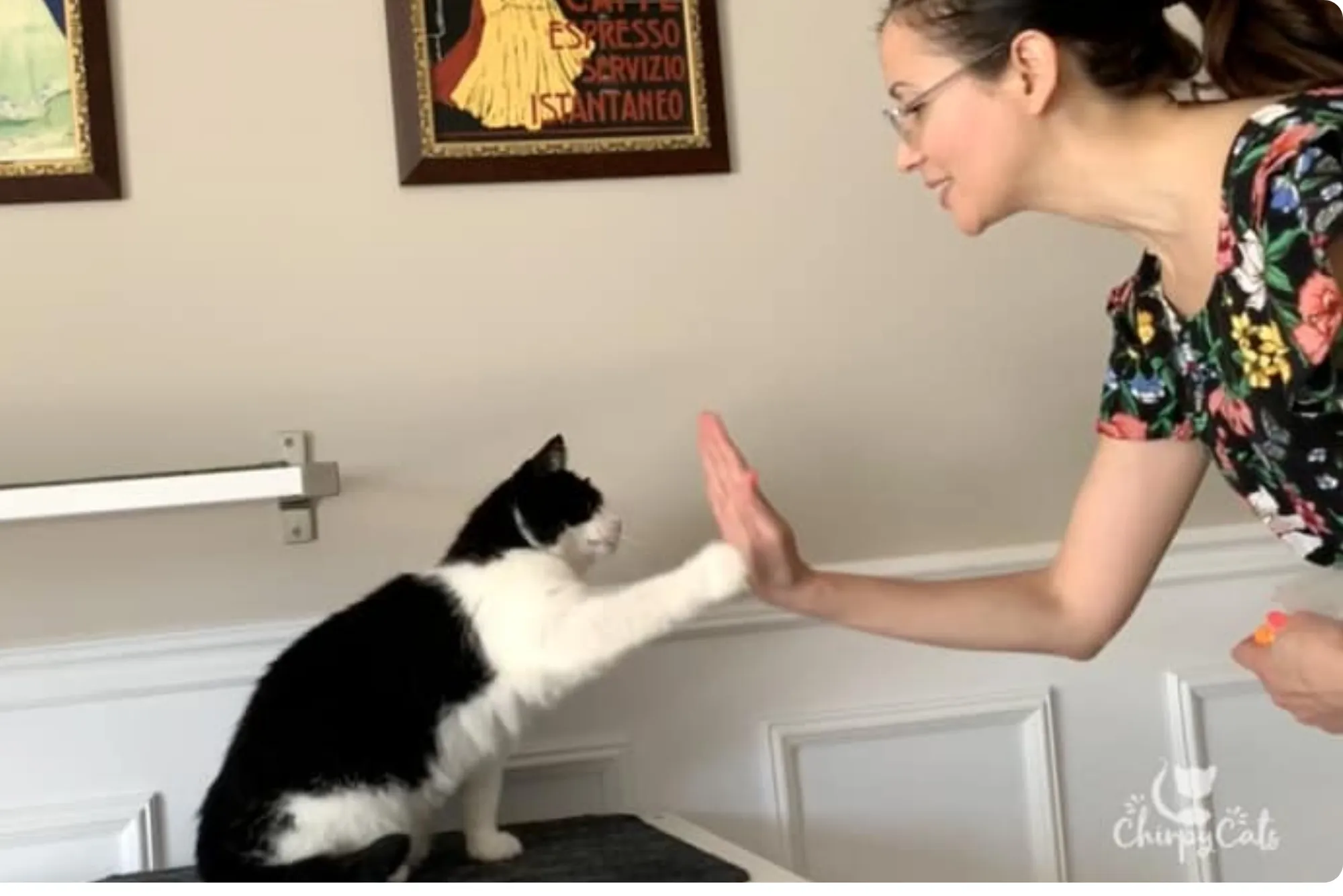
Training your cat at home builds communication, reduces stress, and enhances companionship without costly classes.
- Improves behaviour: Stops bad actions like scratching or relentless meowing.
- Strengthens bond: Teaches trust and confidence.
- Convenient & cost-effective: No need to search for “cat behavior training near me” across UK.
- Adaptable to flat living: Training tricks to teach your cat works well in smaller UK homes.
To summarize: Cat training adds structure and fun for both you and your feline friend in Britain’s unique pet environment.
Essentials of Cat Behavior Training at Home
Understand How Cats Think
- Natural instincts: Cats learn through positive reinforcement—not punishment.
- Consistency matters: Same cue → same reward helps build habits.
- Short sessions: 2–3 minutes each, 2–3 times daily works best.
In short: Design every training step around your cat’s instincts and attention span.
H3: Choose the Right Rewards
- Food: Small treats like freeze-dried meat or their regular kibble.
- Toys: Feathers or laser pointers for play-based engagement.
- Affection: Slow-blink or gentle petting when they do the right thing.
Quick answer: Rewards are the key to cat training—find what motivates your cat best.
Top Training Methods for UK Homes
To summarize: These methods suit every feline and family type in the UK: clicker training, lure-and-reward, and behaviour shaping.
| Method | Difficulty | Pros | Cons |
| Clicker training | Easy | Precise, fast results | Needs clicker device |
| Lure-and-reward | Easy | No tools required, intuitive | Less precise timing |
| Behaviour shaping | Medium | Teaches complex tricks gradually | Longer training period |
Clicker Training Cat to Stop Bad Behaviour
- Get a clicker or use a soft tone (“Yes!”)
- Mark good actions (like sitting) with click + reward
- Repeat consistently in short daily sessions
- Withhold reward once action is reliable, but still click
In short: According to AKC, clicker training leverages positive reinforcement for fast, effective cat training.
Pros & Cons format:
- Pros: Clear prompt-action link, fast learning
- Cons: Requires initial clicker purchase, patience to practise
Tricks to Teach Your Cat (At Home)
- How to train a cat to sit
- Lure with a treat above the head
- Reward the moment they sit
- Gradually cue “Sit” before rewarding
- Lure with a treat above the head
- Train cat to come when called
- Use a unique word and praise generously
- Practice from short distances
- Increase distance as they succeed
- Use a unique word and praise generously
- Potty training cats (indoor hygiene)
- Provide clean litter trays
- Praise when they use it correctly
- Avoid stress around the tray location
- Provide clean litter trays
- Stop meowing too much
- Ignore excessive calls unless urgent
- Reward quiet behaviour after cue
- Ignore excessive calls unless urgent
In short: These tricks help create structure and curb unwanted behaviour in everyday UK homes.
How to Train a Cat to Behave (Behavioural Issues)
Quick answer: Cat behavior training works on issues like meowing, spraying, scratching via positive redirection and consistent responses.
- Scratching furniture: Provide scratching posts and reward usage.
- Aggression/play-biting: Redirect to toys; avoid hitting or spraying water—these methods may increase stress under UK pet laws.
- Separation anxiety: Begin with short departures, increase time gradually, and create safe spaces.
To summarize: Replace punishments with positive redirection—that’s what vets recommend for long-term success.
Clicker vs Lure-and-Reward—Which Works Best?
Fact: 70% of cat owners in UK forums say clicker training gives faster, cleaner results, though some cats prefer lure training.
Pros & Cons Table from earlier provides clear comparison.
In short: Match method to your cat’s personality—some respond better to toys, others to food.
Cost and Resources for Home Cat Training in UK
Quick answer: Most home training costs are minimal—clickers, treats, time—with no need for professional sessions.
- Clicker cost: ~£3–£7
- Treats: £1–£2 per week
- Online courses: £10–£30 if needed
- Free resources: YouTube tutorials, UK-based blogs
In short: Home training is accessible and inexpensive compared to formal cat behavior training schools near you.
Advice from Experts
Veterinarians recommend gradual, positive reinforcement to prevent stress-led behavioural issues, PetMD confirms this prevents common problems like spraying or anxiety-related meowing.
According to UC Davis, cats learn best with consistent rewards and timing.
FAQs:
How can I train my cat at home in UK?
Yes, you can train your cat at home successfully by using short sessions, positive reinforcement like treats or praise, and consistent repetition of behaviours like sit, come, and quiet.
What is the easiest thing to train a cat?
Sitting is the easiest behaviour to teach—just use a treat to lure your cat into a sit, reward every success, and repeat consistently until the word “Sit” is understood.
Can you train a cat to stop meowing?
Yes, by rewarding silence and ignoring excessive meows, your cat learns that calming down gets attention—not noise.
How much does cat training cost in the UK?
Training at home costs minimal: a clicker (£3–7), treats (£5 monthly), and your time. Professional trainers can cost £50–£80 per session.
Is it OK to spray my cat with water?
No, spraying cats with water can increase stress or aggression. Experts and UK vets discourage this method in favour of positive reinforcement.
Tips for UK Living Situations
In short: UK living—whether in flats or terraced homes—means less space but excellent for focused, session-based training. Use vertical spaces like cat shelves and scratching posts to enrich their environment.
More benefits: Training can help adapt cats to unpredictable UK conditions, such as noise from streetworks or changes in household routines.
Pros & Cons of Home-Based Cat Training
- Pros:
- Affordable and flexible
- Enhances owner–cat relationship
- Avoids travel and stress
- Affordable and flexible
- Cons:
- Requires patience and consistency
- Some cats may learn slowly
- Misuse of punishment can undermine progress
- Requires patience and consistency
To summarize: The benefits far outweigh drawbacks, especially with the right approach and resources.
Recommended Supplies for Training (UK Buyers)
- Clickers: £3–7 online
- Treats: High-value. Freeze-dried chicken is popular
- Target sticks: Useful for behaviour shaping
- Scratch posts/shelves: Provide enrichment while training
In short: A few simple tools can elevate your training success.
Best Free & Paid Training Resources
Internal links:
- [Understanding Cat Body Language UK]
- [How to Groom Long‑Haired Cats Safely]
External links:
- PetMD: Clicker Training Basics
- UC Davis: Feline Learning & Training
Final Thought
Hi, I’m Joseph V Worley, a passionate pet nutritionist and care expert with over 5 years of experience in raising healthy dogs and cats. Training your cat at home in the UK isn’t just about tricks—it’s a journey of understanding, patience, and stronger connection. With clear, positive approaches and minimal tools, you can transform your cat’s behaviour and enrich both your lives.
Always consult with your vet before introducing behaviour training if your cat has health or stress concern
Author Bio
Joseph V Worley
Pet Nutritionist & Care Expert
Over 5 years of experience in feline and canine wellbeing
“Always consult with your vet before changing your pet’s routine or diet.”
1 thought on “Cat Behavior Training at Home in UK (Easy, Effective Tips)”