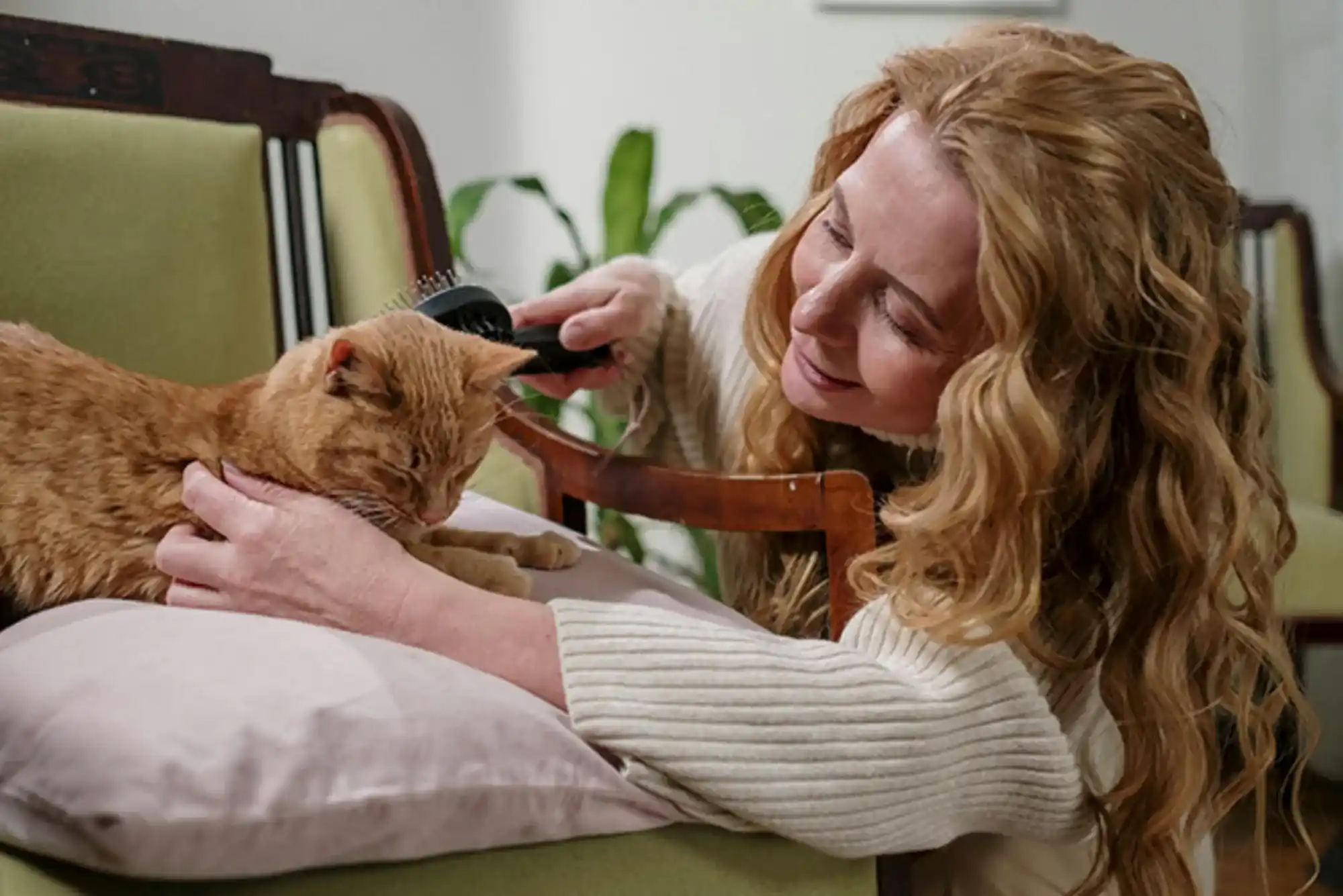
Caring for your cat’s coat is an essential part of keeping them healthy and happy. Whether your feline friend has long, luxurious fur or a sleek, short coat, proper grooming routines can minimize shedding, prevent matting, and improve their overall wellbeing. But how do you ensure your cat’s coat stays in top condition?
In this guide, we’ll explore everything from the basics of cat coat care to UK-specific grooming techniques. Whether you’re wondering, “How do I take care of my cat’s fur?” or “Should I oil my cat’s fur?”—we’ve got you covered.
Why Is Cat Coat Care Important?
Proper coat care isn’t just about aesthetics—it’s vital for your cat’s health. Here’s why:
- Prevents skin issues: Regular grooming clears dirt, allergens, and dead fur that can irritate your cat’s skin.
- Reduces shedding: Brushing minimizes shedding and keeps your home fur-free.
- Strengthens your bond: Grooming sessions provide an opportunity for bonding with your pet.
- Early health detection: Grooming allows you to spot lumps, skin conditions, or parasites early.
Quick Answer: Regular coat care ensures your cat’s comfort, reduces health risks, and keeps them looking their best.
Understanding Your Cat’s Coat Type
Not all cats require the same grooming regimen. Here’s a breakdown of coat types and their grooming needs:
| Cat Breed/Type | Coat Type | Grooming Frequency |
| British Shorthair | Short, dense | Weekly brushing |
| Maine Coon | Long, thick | 3–4 times a week |
| Persian | Long, fine | Daily grooming |
| Bengal | Sleek, short | Weekly brushing |
| Domestic Shorthair (DSH) | Short, varied | Weekly brushing |
Tip for UK Pet Owners: Long-haired cats like Persians require more frequent grooming, especially during the rainy UK seasons when dampness can lead to matting.
How to Brush Your Cat’s Coat
Brushing is the cornerstone of coat care. Follow these steps for a successful session:
- Choose the right brush:
- For short-haired cats, use a slicker brush or rubber grooming mitt.
- For long-haired cats, opt for a wide-toothed comb or de-matting tool.
- Set a calm environment:
Pick a quiet spot and let your cat sniff the grooming tools beforehand. - Brush in the direction of hair growth:
Start gently to avoid pulling or hurting your cat. - Focus on problem areas:
Pay extra attention to areas like the underbelly, tail, and behind the ears where mats can form. - Reward and reassure:
Offer treats and praise to create a positive association with grooming.
Quick Answer: Brushing your cat weekly (or more often for long-haired breeds) prevents matting and reduces shedding.
Should You Trim Your Cat’s Fur?
Trimming your cat’s fur can help with matting, especially in long-haired breeds. However, it’s not always necessary for short-haired cats. Here’s what you need to know:
- When to trim:
- Severe mats that can’t be brushed out.
- During hot UK summers to prevent overheating (consult your vet first).
- How to trim safely:
- Use blunt-tipped scissors or a pet-safe trimmer.
- Avoid trimming close to the skin to prevent cuts.
- Consider professional grooming for tricky areas.
Remember: Never shave your cat unless directed by a vet, as their fur offers protection from both heat and cold.
How Often Should You Bathe Your Cat?
Cats are excellent self-groomers, so they rarely need baths. However, certain situations may call for it:
- When to bathe:
- Your cat has rolled in something sticky or toxic.
- They suffer from skin conditions like ringworm.
- They’re elderly or overweight and can’t groom themselves properly.
- How to bathe:
- Use lukewarm water and a pet-safe shampoo.
- Gently lather your cat, avoiding the face and ears.
- Rinse thoroughly and dry with a soft towel.
Quick Answer: Most cats don’t require regular baths. Only bathe them when absolutely necessary, and always use a shampoo designed for cats.
Should You Oil Your Cat’s Fur?
Oiling your cat’s fur isn’t typically recommended, but there are exceptions:
- When it helps:
- Coconut oil can soothe dry skin or small irritations.
- Omega-3 supplements improve coat health when added to their diet.
- How to apply:
- Use a small amount and massage gently into the fur.
- Avoid over-oiling as it can make the coat greasy and attract dirt.
Note: Always consult your vet before applying any product to your cat’s coat.
Common Fur Problems in Cats
Here are some common issues cat owners face and how to address them:
- Mats and tangles:
- Use a de-matting tool or consult a professional groomer.
- Excessive shedding:
- Brushing regularly and feeding a high-quality diet reduces shedding.
- Dull coat:
- Ensure your cat has a diet rich in Omega-3 fatty acids.
- Regular grooming stimulates natural oils for a shinier coat.
- Skin conditions:
- Watch for redness, flakes, or bumps. If noticed, consult your vet immediately.
Quick Answer: Addressing coat problems early ensures your cat stays comfortable and healthy.
FAQs
How do I keep my cat’s coat healthy?
Feed a balanced diet, brush regularly, and monitor for signs of dryness or matting. Healthy nutrition and grooming are key to a shiny, soft coat.
How often should a cat be bathed?
Cats rarely need baths. Only bathe them if they’re dirty, have skin issues, or can’t groom themselves.
Are cats happier after a bath?
Not all cats enjoy baths, but they may feel more comfortable if their fur was dirty or matted beforehand.
Should I oil my cat’s fur?
Only use vet-approved oils like coconut oil for small patches of dryness. Avoid over-oiling.
What’s the best brush for long-hair cat grooming?
A wide-toothed comb and a slicker brush work best for long-haired breeds like Persians.
UK-Specific Grooming Tips
Living in the UK comes with unique grooming challenges for your cat. Here’s how to adapt:
- Rainy seasons: Dry your cat’s paws and fur after they’ve been outside to prevent tangling and damp-related skin issues.
- Shedding seasons: Spring and autumn are peak shedding times—brush more frequently during these periods.
- Cold winters: Long-haired cats may develop mats more easily due to thicker coats. Keep up with regular grooming.
Final Thoughts
Maintaining your cat’s coat ensures not only a healthy, shiny appearance but also their overall wellbeing. Whether it’s brushing, bathing, or tackling mats, a little care goes a long way.
Always remember: Grooming is as much about bonding as it is about hygiene. By understanding your cat’s unique needs and staying consistent with their grooming routine, you’ll keep them purring with happiness.
Author Bio:
Hi, I’m Joseph V Worley, a passionate pet nutritionist and care expert with over 5 years of experience in raising healthy dogs and cats. I believe that with the right knowledge, we can improve the lives of our furry friends.
References:
Internal Links:
- The Best Diet for Cats: What You Need to Know
- 5 Ways to Keep Your Pet Happy and Healthy