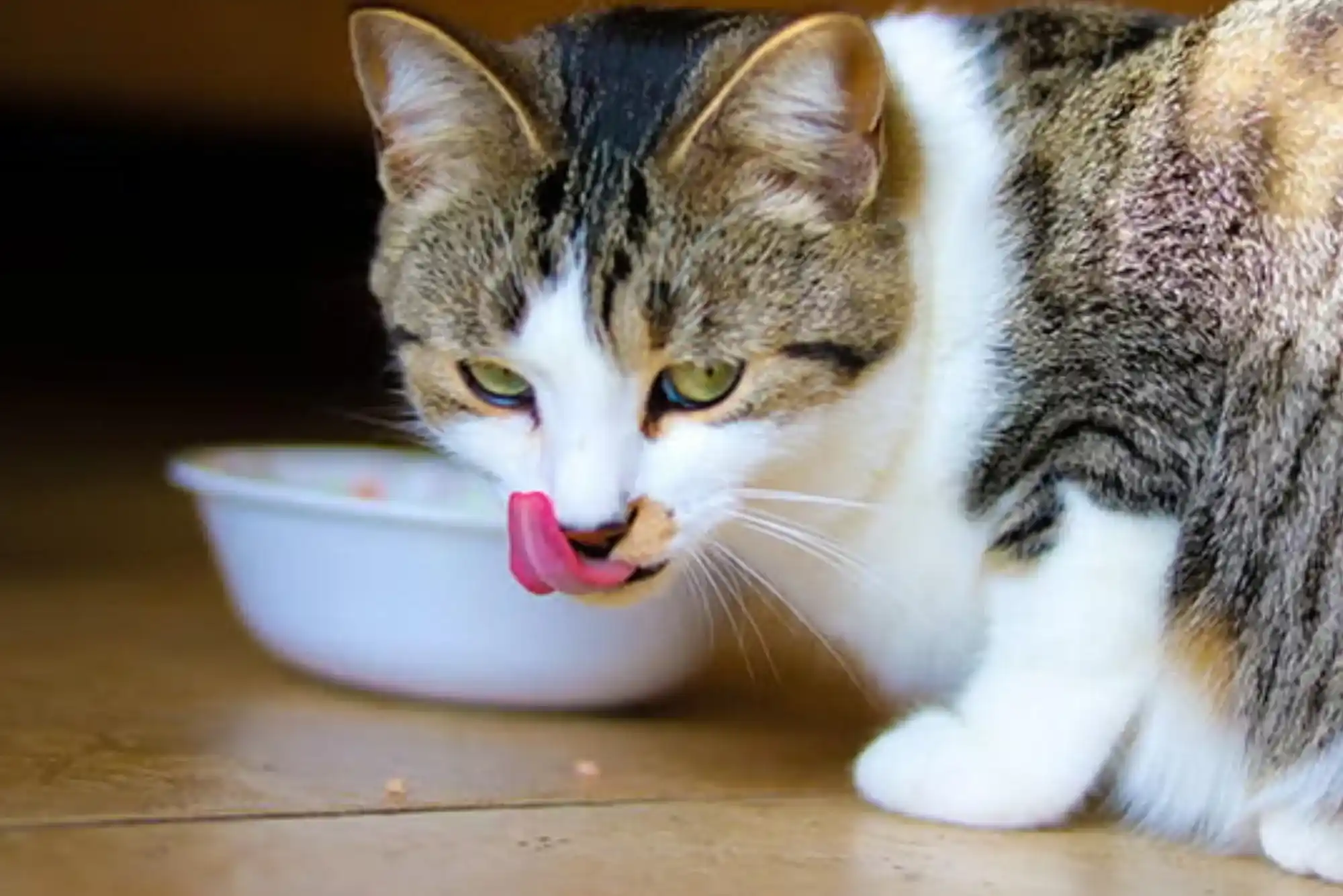
Feeding your cat the right way is essential for their health, happiness, and longevity. But with so many options and conflicting advice, it can be difficult to know where to start. Whether you’re wondering, “How much food should I give my cat?” or “What makes a cat food vet-approved?”, this guide has you covered.
In this UK-focused cat feeding guide, we’ll explore feline nutrition basics, how to read cat food labels, feeding charts, and practical tips for keeping your cat healthy. Let’s dive in!
Why Proper Cat Nutrition Matters
Cats are obligate carnivores, meaning they require specific nutrients found in animal proteins to thrive. Proper nutrition supports:
- Healthy weight management: Prevents obesity or malnourishment.
- Organ function: Essential nutrients like taurine support heart and eye health.
- Coat and skin health: A balanced diet keeps your cat’s coat shiny and skin free from irritation.
- Longevity: Feeding the right food helps prevent chronic diseases.
Quick Answer: A well-balanced diet is critical for your cat’s overall health, energy, and lifespan.
Types of Cat Food: What’s Right for Your Feline?
The UK market offers a wide variety of cat food options. Here’s a breakdown of the most popular types:
1. Dry Cat Food (Kibble)
- Pros: Long shelf life, cost-effective, easy to store.
- Cons: Lower moisture content, which may not suit cats prone to dehydration.
- Best for: Cats with good hydration habits or free-feeding preferences.
2. Wet Cat Food
- Pros: High moisture content, often more palatable.
- Cons: More expensive, spoils quickly once opened.
- Best for: Cats requiring extra hydration or picky eaters.
3. Raw or Homemade Diets
- Pros: Mimics a natural prey diet, customizable.
- Cons: Requires careful preparation to ensure complete nutrition and avoid contamination.
- Best for: Pet owners willing to invest time and effort.
4. Vet-Prescribed Diets
- Pros: Specifically formulated for medical conditions (e.g., kidney disease or obesity).
- Cons: Typically more expensive.
- Best for: Cats with diagnosed health issues.
How Much Food Should I Give My Cat?
Feeding amounts depend on your cat’s age, weight, activity level, and health status. Use this vet-approved feeding chart as a general guide:
| Cat Type | Weight (kg) | Calories Per Day | Food Amount |
| Kitten (up to 6m) | 0.5–2.5 | 200–250 | 3–4 small meals daily |
| Adult (1–7 years) | 3–5 | 200–300 | 2 meals daily |
| Senior (7+ years) | 3–5 | 180–230 | 2 smaller meals daily |
| Overweight Cat | 4–6 | 150–200 | Portion-controlled meals |
Quick Answer: Adjust portions based on your cat’s activity level and use the packaging’s feeding guidelines as a starting point.
How to Read Cat Food Labels
Understanding cat food labels is key to choosing the best option for your pet. Here’s what to look for:
1. Ingredients List
- Top 3 ingredients: Should include high-quality animal proteins (e.g., chicken, fish).
- Avoid fillers: Steer clear of foods with excessive grains, artificial colors, or by-products.
2. Guaranteed Analysis
- Indicates percentages of protein, fat, fiber, and moisture.
- Ideal ranges:
- Protein: ≥30% for dry food, ≥8% for wet food.
- Fat: 10–20%.
- Fiber: ≤5%.
3. AAFCO Statement
Look for a statement like: “This food meets the nutritional levels established by the AAFCO Cat Food Nutrient Profiles.”
Quick Answer: High-quality cat food lists animal proteins as the main ingredient and meets AAFCO standards.
Feeding Tips for UK Cat Owners
Living in the UK comes with specific considerations for feeding your cat:
- Seasonal Adjustments:
- During colder months, your cat may require slightly more calories to maintain their body temperature.
- Hydration Matters:
- Many UK homes use central heating, which can lead to dehydration. Incorporate wet food or provide a cat water fountain.
- Indoor vs Outdoor Cats:
- Outdoor cats tend to burn more calories and may need larger portions, while indoor cats require portion control to avoid weight gain.
Common Feeding Mistakes to Avoid
- Overfeeding:
- Free-feeding can lead to obesity. Stick to portioned meals.
- Feeding Dog Food:
- Cats have unique nutritional needs, including taurine, which is absent in dog food.
- Ignoring Hydration:
- Always ensure fresh water is available, especially if you’re feeding dry kibble.
- Sudden Diet Changes:
- Gradually transition to new foods over 7–10 days to prevent digestive upset.
Quick Answer: Avoid overfeeding, ensure fresh water, and never substitute dog food for cat food.
FAQs
How much food should I give my cat daily?
The amount depends on your cat’s weight, age, and activity level. For an average adult cat (3–5kg), feed 200–300 calories daily split into two meals.
Can I mix wet and dry food?
Yes, mixing wet and dry food can provide balanced nutrition and hydration. Just adjust portions to avoid overfeeding.
What human foods are safe for cats?
Cooked chicken, fish (boneless), and small amounts of plain rice are safe. Avoid toxic foods like chocolate, onions, and garlic.
Should I free-feed my cat?
Free-feeding works for some cats but can lead to overeating. Portion control is generally better for weight management.
How often should I feed my kitten?
Kittens need 3–4 small meals daily to support their rapid growth and development.
UK-Specific Cat Feeding Recommendations
Here’s how to tailor your cat’s feeding routine to UK conditions:
- Rainy Weather: Cats are less active during rainy days, so adjust portion sizes accordingly.
- Local Brands: Opt for high-quality UK cat food brands like Lily’s Kitchen or Harringtons for trusted nutrition.
- Vet Advice: Many UK vets recommend Royal Canin or Hill’s Science Plan for their balanced formulas.
Final Thoughts
Feeding your cat the right way doesn’t have to be complicated. By understanding their nutritional needs, reading food labels, and tailoring their diet to their lifestyle, you can ensure they live a long and healthy life.
Remember: Every cat is unique, so always consult your vet before making major changes to their diet.
Author Bio:
Hi, I’m Joseph V Worley, a passionate pet nutritionist and care expert with over 5 years of experience in raising healthy dogs and cats. I believe that with the right knowledge, we can improve the lives of our furry friends.
References:
Internal Links:
- Top 10 Tips for Healthy Cats
- How to Create the Perfect Cat Grooming Routine