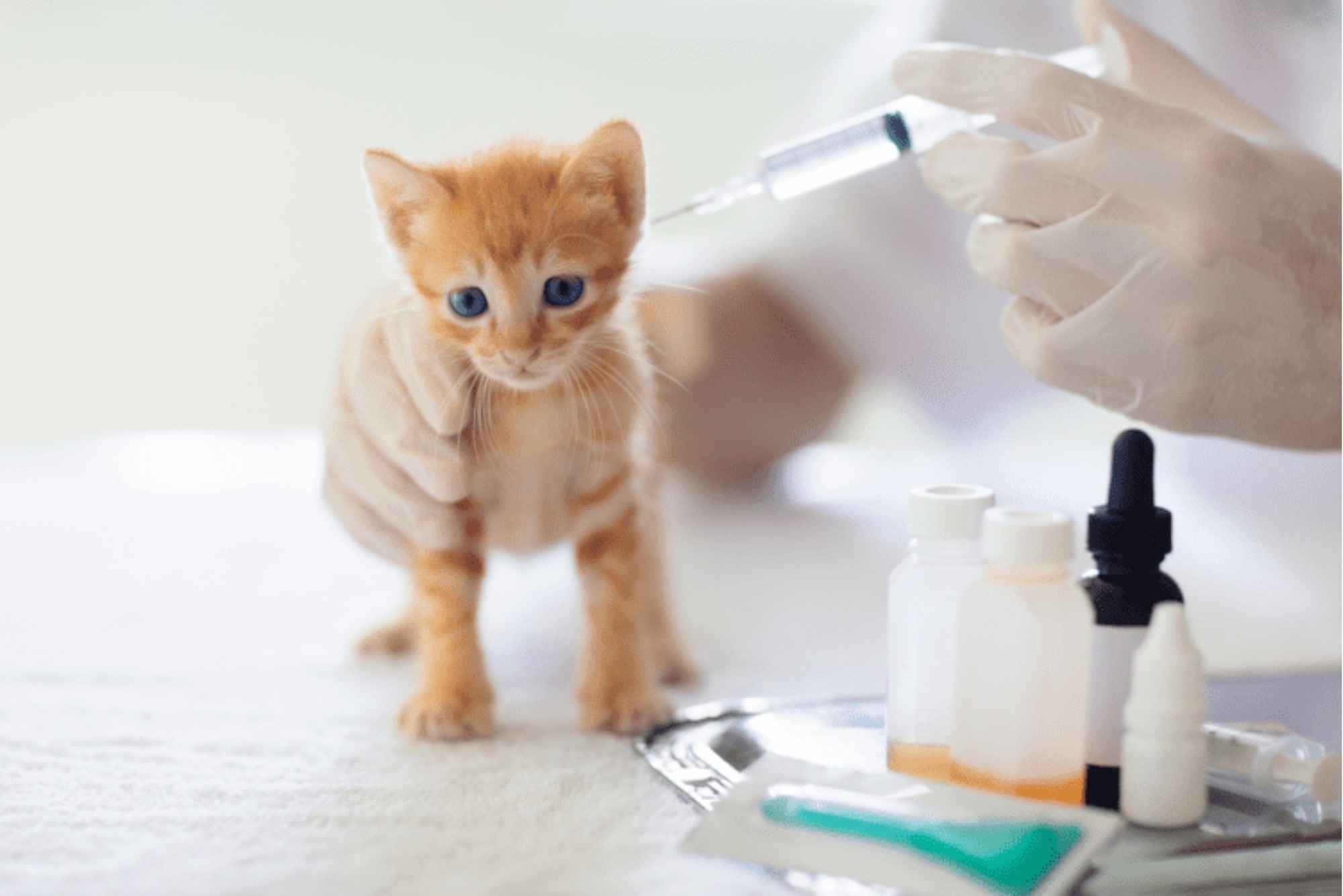
Kittens start vaccines at ~9 weeks, repeat at ~12 weeks, then booster at 6 months and annually or every three years.
- Initial course: 9 wks, 12 wks
- 6-month booster: covers core vaccines
- Adult boosters: every 1–3 years depending on vaccine and risk
In short: Core vaccines include FHV, FCV, FPV, often FeLV for outdoor cats. Rabies required only for travel. Veterinary organisations like AAFP, AAHA, and WSAVA recommend tailoring schedules based on lifestyle and risk.
Typical Cat Vaccination Costs in the UK
Quick answer: First kitten course costs £60–£120; adult boosters cost £40–£100 depending on coverage.
- Starter course: £60–£90 (sometimes up to £120)
- Annual adult booster: £40–£60 core; £60–£100 if FeLV and rabies included
- UK average: full kitten course averaged £97.69 in 2023
Pros & Cons:
- Pros: Budgeting gives peace of mind; prevents life‑threatening disease
- Cons: Fees vary by region (London higher), may require restarts if boosters missed
Local clinic example: RVC charges ~£75 for core booster, rising to ~£100 with FeLV.
Core vs Non-Core Vaccines
Core Vaccines
Quick answer: Core vaccines protect against common, serious diseases—recommend for all cats.
- FHV, FCV, FPV: kitten course plus annual or every-3-year boosters
- FeLV: recommended for kittens and outdoor or at-risk cats
- Rabies: only if travelling internationally
Non-Core Vaccines
Quick answer: Optional vaccines like Chlamydophila and Bordetella used based on lifestyle.
- Chlamydophila felis, Bordetella: for multi-cat households, boarding, shelters
- FIV and FIP: not commonly recommended or are regionally unavailable
UK Cost Breakdown & Budget Tips
Quick answer: Expect variation; London ~10–20% more than rest of UK.
| Service | Typical Cost (GBP) |
| Kitten starter course | £60–£90 (up to £120) |
| Adult booster (core only) | £40–£60 |
| Booster + FeLV | £60–£100 |
| Rabies (travel-required) | £40–£60 |
| Clinic health plan (e.g. Pet Health Club) | £21/month (~£269/year) |
Budget Tips:
- Spread costs via health plans
- Ask for bundled vaccine deals
- Retroactive boosters may need a full restart
When Should I Vaccinate My Kitten?
Quick answer: Start at ~9 weeks, then ~12 weeks, booster at 6 months, then follow-up boosters.
- Weeks 9 & 12: core vaccines (FHV, FCV, FPV, sometimes FeLV)
- 6 months: booster to strengthen immunity
- Annually/3-yearly: adult boosters per risk and vet guidance
Veterinarians emphasise giving boosters ≤1 year after the kitten’s final dose—and then spacing based on exposure risk.
Factors That Affect Vaccine Costs
Quick answer: Geography, clinic type, vaccine types, and additional services all impact price.
- Location: London vs North region can differ by ~£10–15 per booster
- Clinic type: Charities (RSPCA/PDSA) may have lower rates
- Extras: Health exam, microchipping, travel certificates (e.g., rabies)
- Insurance: Preventive care like vaccines often excluded—but may reduce premiums
Vaccination Safety & Side Effects
Quick answer: Most cats handle vaccines well; mild reactions are rare and short-lived.
- Minor fever, lethargy or local swelling are common
- Rare side effects: allergenic reactions or injection-site sarcomas; vets choose limb sites to aid treatment
- Serious effects are uncommon—benefits far outweigh risks
Vet-Approved Recommendations
- According to AKC and PetMD, core vaccines protect against FIP, cat flu, and panleukopenia
- UC Davis highlights maternal antibodies and booster timing, stressing 6-month vaccination to extend immunity
- WSAVA guidelines support core vaccines for all cats; select non-core based on individual lifestyle
FAQ
When should I vaccinate my kitten?
Yes, your kitten should start core vaccines around nine weeks, followed by another dose at 12 weeks and a booster at six months. After that, adult boosters occur every 1–3 years based on exposure and vet advice.
How much does cat vaccination cost in the UK?
Typically, a kitten’s starter course costs between £60–£120, while adult booster cores range from £40–£60. Adding FeLV or rabies can bring total annual costs to £60–£100 depending on your vet clinic.
Do indoor cats need vaccines?
Yes, indoor cats still need vaccines because diseases can enter via humans, other pets, or even clothing. UK vets advise the core shots regardless of whether your cat goes outside.
Can I spread the cost of vaccinations?
Yes, many UK practices offer pet health plans or schemes like Pet Health Club (£20.99/month) to spread the cost of vaccinations, worm treatment, flea prevention, microchipping and health checks.
What happens if I miss a booster?
If a booster is missed, your vet may recommend restarting the full vaccination course. That includes two core doses at three- to four-week intervals before resuming the booster schedule.
Are cat vaccines safe?
Yes, most cats only experience mild symptoms like tiredness or swelling. Very rarely, allergic reactions or injection‑site lumps may occur. Vets minimise risk by injecting distally in limbs for easier monitoring and treatment.
Internal & External Resources
- Internal Links (UK-centric):
- Choosing the right kitten starter care plan
- UK guide to microchipping & travel vaccination
- Choosing the right kitten starter care plan
- External, Authoritative Sources:
- PetMD on feline lifestyle vaccines
- UC Davis guidelines on feline vaccination timing
- PetMD on feline lifestyle vaccines
Final Thought
Proper vaccination is essential to your cat’s health—and as a UK pet owner, budget‑aware planning and vet guidance ensures lifelong protection at reasonable cost. Keep accurate records, discuss lifestyle-based schedules with your vet, and spread the cost if needed. Here’s to a healthy, happy cat!
Joseph V Worley ✍️
Author Bio
Hi, I’m Joseph V Worley, a passionate pet nutritionist and care expert with over 5 years of experience in raising healthy dogs and cats. I believe homemade food and structured care can transform pet lives—with the right knowledge.
Always consult your vet before making changes to your pet’s vaccination schedule.