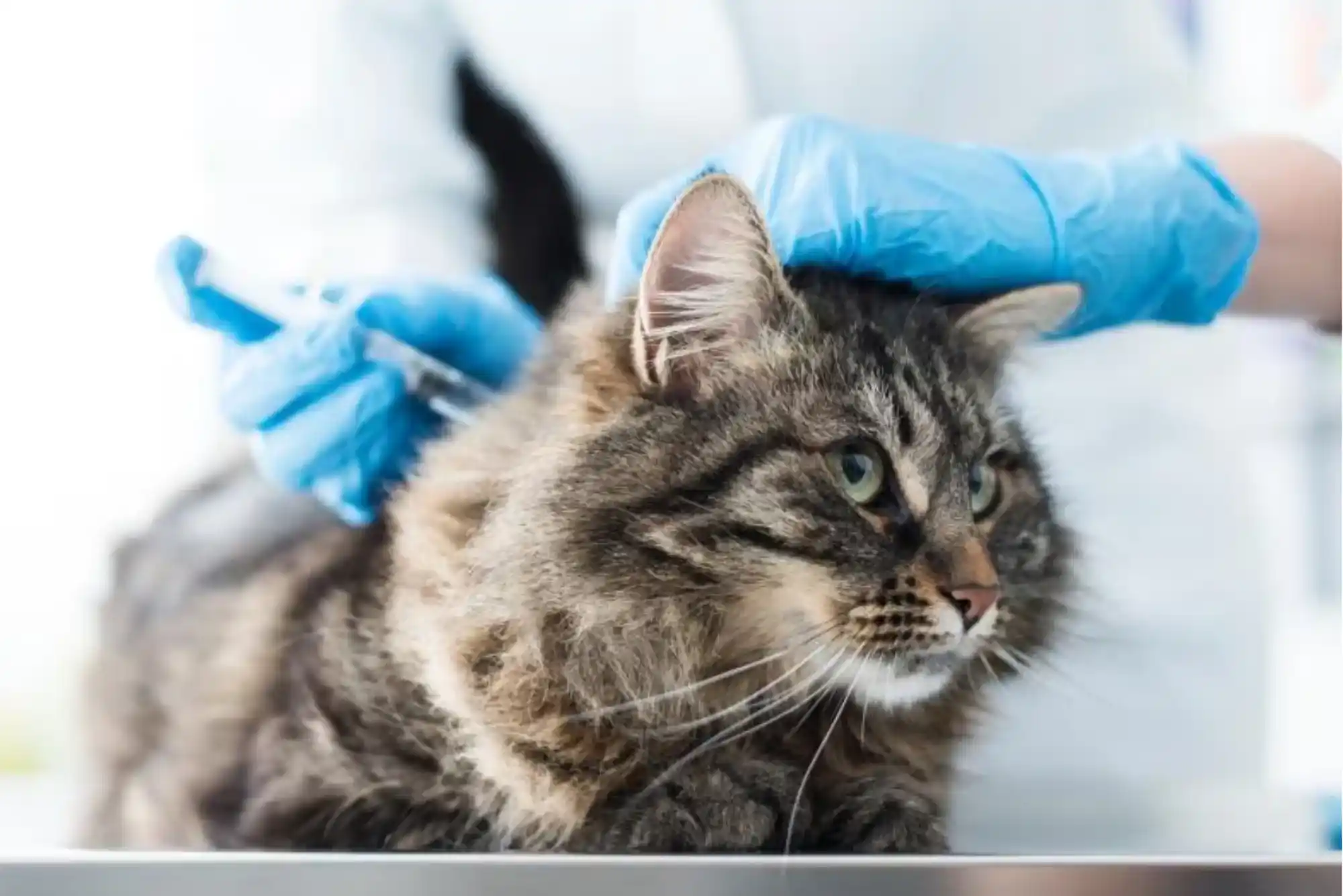
Vaccinating your cat is a crucial step in ensuring a healthy, long life—especially in the UK where specific guidelines and costs apply. In this article, we’ll break down the cat vaccination schedule UK, including costs, when to vaccinate, which vaccines are needed, and what UK-based pet owners should expect. We’ll also cover common questions like, “Do cats need vaccinations every year UK?” and give you expert-backed insights.
Why Are Cat Vaccinations Important in the UK?
Quick answer: Vaccinations help prevent life-threatening diseases like Feline Leukaemia, Herpesvirus, and Panleukopenia in cats.
Vaccinating your cat not only protects them from potentially fatal illnesses but also contributes to the greater pet community’s health. In the UK, core vaccinations are recommended for every cat, whether indoor or outdoor. These include Feline Herpesvirus, Feline Calicivirus, and Feline Panleukopenia. Some vaccines are required only for outdoor cats or those in close contact with other animals.
UK Vaccine Statistics
- Over 80% of
- vaccinate their kittens before 16 weeks
- The PDSA Animal Wellbeing Report encourages consistent booster shots annually
To summarize: Vaccinations are vital to protect your cat and help prevent outbreaks.
Cat Vaccination Schedule UK Guideline
Quick answer: Kittens get their first shots at 8-9 weeks, followed by boosters 3-4 weeks later. Annual boosters follow.
Here’s a basic UK schedule:
Core Vaccination Schedule
| Age | Vaccine Types |
| 8–9 weeks | Core (FHV-1, FCV, FPV) |
| 12 weeks | Second dose of core vaccines |
| 16 weeks | Optional FeLV (if outdoor) |
| 1 year | Booster (all vaccines) |
| Annually | Booster based on lifestyle (indoor/outdoor) |
Optional Vaccines
- FeLV (Feline Leukemia Virus): Recommended for outdoor cats
- Chlamydophila: If risk is high (multi-cat households)
To summarize: Vaccination schedules depend on age and lifestyle, but core vaccines are a must.
Do Cats Need Vaccinations Every Year in the UK?
Quick answer: Yes, annual boosters are strongly advised, especially for social or outdoor cats.
While some immunity can last longer, most UK vets recommend annual boosters to maintain full protection. Indoor cats may require fewer vaccines, but boosters are still often needed.
Vet Recommendations
- Annual check-ups and boosters
- Tailored plans based on lifestyle
Veterinarians recommend that even indoor cats maintain their core vaccinations due to potential indirect exposure.
To summarize: Annual boosters keep your cat protected and ensure early detection of any health issues.
Cat Vaccinations Prices and Costs in the UK
Quick answer: Expect to pay £40–£75 per core vaccine dose and £15–£30 for boosters. Bundled plans may offer savings.
Typical Costs by Vaccine Type
| Vaccine Type | Cost Range (UK) |
| Core Vaccine (F3) | £40–£75 |
| FeLV | £20–£40 |
| Booster (Annual) | £15–£30 |
| Full Kitten Package | £60–£120 |
Low-Cost and Free Options
- PDSA: Offers discounted services for eligible households
- RSPCA: Seasonal campaigns with free vaccinations
- Vets4Pets: Fixed-price plans and boosters
To summarize: Vaccine costs vary, but discount programs make them accessible for most UK residents.
Restarting Cat Vaccinations After a Break
Quick answer: If your cat missed a dose, consult a vet. Most cases require restarting the full series.
If boosters are missed by more than 12 months, UK vets usually recommend restarting the initial vaccine course. This is particularly crucial for Feline Panleukopenia, which needs timely doses.
Step-by-Step Restart Plan
- Vet visit for check-up and schedule reset
- Administer first dose of core vaccines
- Schedule second dose in 3-4 weeks
- Plan for annual boosters
To summarize: Restarting isn’t harmful—but timely re-vaccination is critical.
Where to Get Cat Vaccinations in the UK
Quick answer: Most UK vet clinics, including PDSA, Vets4Pets, and RSPCA, offer vaccinations.
Common Providers
- PDSA: Free or discounted care
- Vets4Pets: Known for booster packages
- Local Vets: Often provide personalized plans
Booking Tips
- Book 2 weeks in advance
- Ask about bundled services
- Keep paper records or app-based vaccine logs
To summarize: Book early and explore bundled services for cost savings and convenience
Pros and Cons of Cat Vaccinations
Quick answer: Benefits outweigh risks, though minor side effects can occur.
Benefits
- Disease prevention
- Community immunity
- Peace of mind for owners
Potential Side Effects
- Mild fever or lethargy
- Swelling at injection site
- Rare allergic reactions
To summarize: Cat vaccinations are safe, and benefits far exceed minor risks.
FAQs
When should I vaccinate my kitten?
Start at 8-9 weeks with core vaccines, followed by a second dose at 12 weeks.
Are vaccinations required by law in the UK?
No, but they are highly recommended by vets for disease prevention.
Can I get free vaccinations in the UK?
Yes, PDSA and RSPCA offer free or discounted vaccinations for low-income households.
What happens if I miss a booster?
Most cats need to restart the series. Talk to your vet for specifics.
Are indoor cats in the UK still at risk?
Yes, indirect exposure from people or items can introduce disease.
Final Thought
Hi, I’m Joseph V Worley, a passionate pet nutritionist and care expert with over 5 years of experience in raising healthy dogs and cats. Vaccinations are one of the simplest yet most powerful tools we have to protect our feline friends. Whether you live in a city flat or a rural home in the UK, understanding and following the cat vaccination schedule can make all the difference in your pet’s life.
Always consult your vet for advice specific to your cat’s health and lifestyle.
Author Bio
Hi, I’m Joseph V Worley, a passionate pet nutritionist and care expert with over 5 years of experience in raising healthy dogs and cats. I believe homemade food can transform pet lives — with the right knowledge.