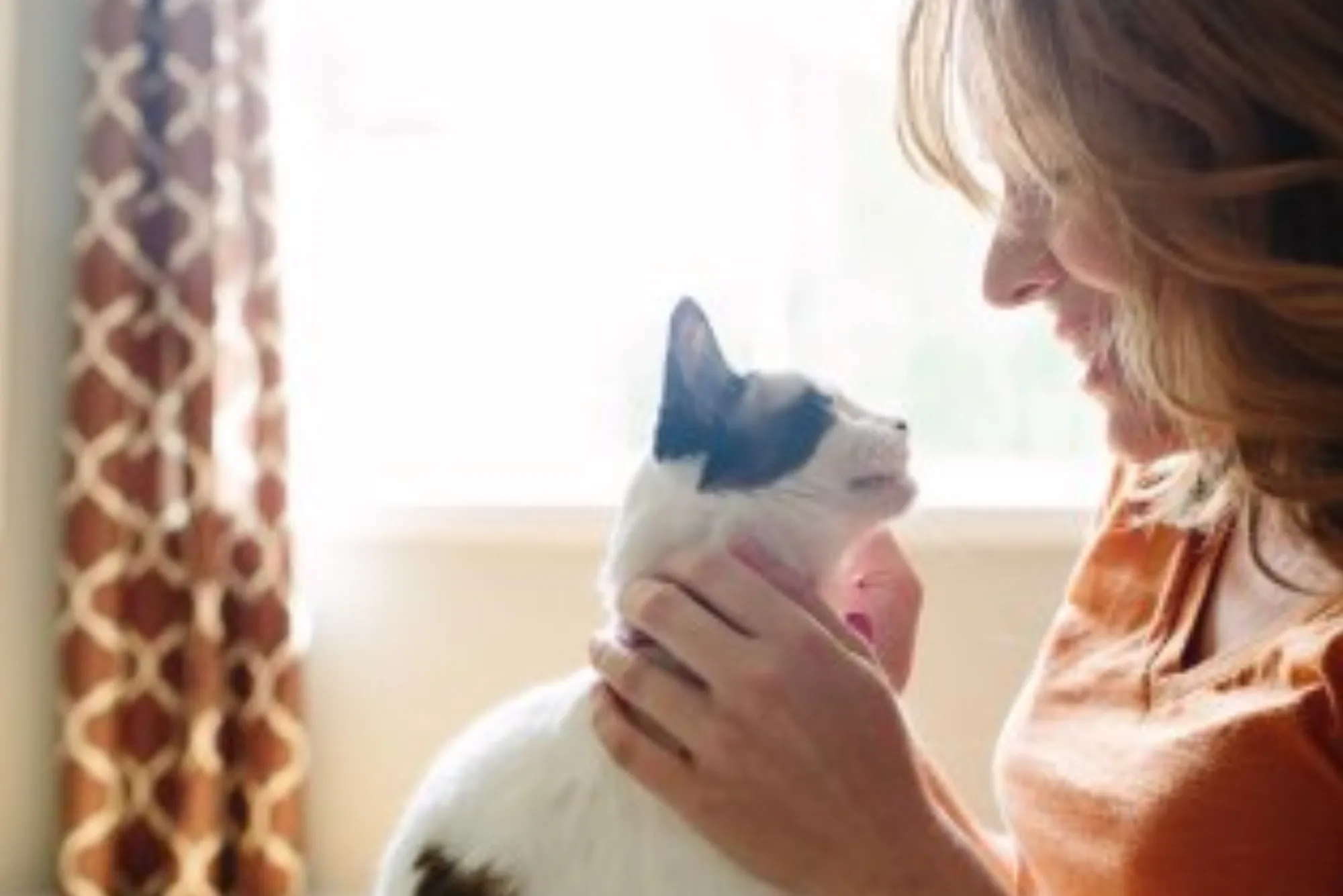
Caring for an indoor cat can be a rewarding experience, providing companionship and joy. However, it also comes with unique challenges. Whether you’re a new pet parent or looking to enhance your feline’s home life, understanding how to keep your indoor cat happy is crucial. This guide will cover effective indoor cat care tips, focusing on cat enrichment, behavior, and creating a safe environment tailored for apartment living in the UK.
Quick Answer:
In short, providing a stimulating environment with plenty of playtime, proper nutrition, and regular vet check-ups will help keep your indoor cat happy and healthy.
Understanding Indoor Cat Needs
Indoor cats thrive in environments that cater to their natural instincts. Creating a stimulating atmosphere can significantly enhance your cat’s quality of life.
Why Indoor Cats Need Enrichment
Indoor cats can suffer from boredom, leading to behavioral issues. Enrichment activities help mimic their natural behaviors.
- Playtime: Engage in interactive play with toys.
- Scratching posts: Provide options to satisfy their scratching instinct.
- Vertical space: Cat trees or shelves allow for climbing and exploration.
Quick Answer:
To summarize, enrichment is essential for indoor cats to prevent boredom and promote healthy behaviors.
Creating a Safe Indoor Environment
Your cat’s safety should always be a priority. Here are some tips to ensure a secure home.
Essential Safety Measures
- Secure windows and balconies: Ensure all windows have screens to prevent falls.
- Hide toxic plants: Many common houseplants are toxic to cats.
- Remove choking hazards: Small items like rubber bands or strings should be put away.
Quick Answer:
In short, keeping your home free of hazards is vital for your indoor cat’s safety.
Nutrition and Feeding Practices
Feeding your indoor cat a balanced diet is crucial for their health and happiness.
Choosing the Right Food
Consult your vet to select high-quality cat food that meets your cat’s specific needs.
- Dry vs. wet food: Each has its benefits, but a mix can provide hydration and dental health.
- Portion control: Overfeeding can lead to obesity, a common issue in indoor cats.
Quick Answer:
To summarize, proper nutrition, tailored to your cat’s needs, is essential for maintaining their health.
Cat Behavior Insights
Understanding feline behavior can help you address any issues that arise.
Common Behavioral Issues
- Litter box problems: Ensure the box is clean and placed in a quiet area.
- Aggression: Play aggression can be redirected with toys.
- Excessive meowing: This could indicate boredom or health issues.
Quick Answer:
In short, recognizing and addressing behavioral issues early can improve your indoor cat’s happiness.
The Importance of Regular Vet Visits
Regular check-ups are essential for your cat’s health.
What to Expect During Vet Visits
- Vaccinations: Keep your cat up-to-date on vaccinations.
- Health screenings: Regular health checks can catch issues early.
Quick Answer:
To summarize, regular vet visits are crucial for monitoring your cat’s health and preventing diseases.
Indoor Cat Playtime Activities
Engaging your cat in play can significantly boost their mood and energy levels.
Fun Indoor Games
- Laser pointers: Great for exercise but ensure your cat can “catch” something tangible afterward.
- Puzzle toys: These stimulate your cat’s mind and can dispense treats.
Quick Answer:
In short, interactive play helps maintain your cat’s physical and mental health.
Grooming Tips for Indoor Cats
Regular grooming is essential, particularly for long-haired breeds.
Grooming Frequency
| Breed | Grooming Frequency |
| Short-haired | Every 1-2 weeks |
| Long-haired | Every few days |
Quick Answer:
To summarize, regular grooming keeps your cat’s coat healthy and reduces shedding.
FAQs
What should I feed my indoor cat?
Yes, a balanced diet of high-quality cat food is essential. Consult your vet for the best options.
How often should I take my cat to the vet?
At least once a year for a check-up, but more frequently if your cat has health issues.
Can indoor cats go outside?
It’s best to keep them indoors to protect them from dangers like traffic and predators.
Why does my cat scratch furniture?
Cats scratch to mark territory and maintain their claws. Provide scratching posts to redirect this behavior.
How can I keep my cat entertained indoors?
Interactive toys, climbing trees, and daily playtime can keep your cat stimulated.
Final Thoughts
As an indoor cat owner, providing a safe, enriching, and loving environment is key to your feline’s happiness. By following these tips and understanding your cat’s needs, you can foster a strong bond and ensure a fulfilling life for your furry companion.
Hi, I’m Joseph V Worley, a passionate pet nutritionist and care expert with over 5 years of experience in raising healthy dogs and cats. I believe homemade food can transform pet lives — with the right knowledge. Always consult with your vet before changing your cat’s diet.
Internal Links:
- Understanding Feline Nutrition
- Common Cat Behavioral Issues