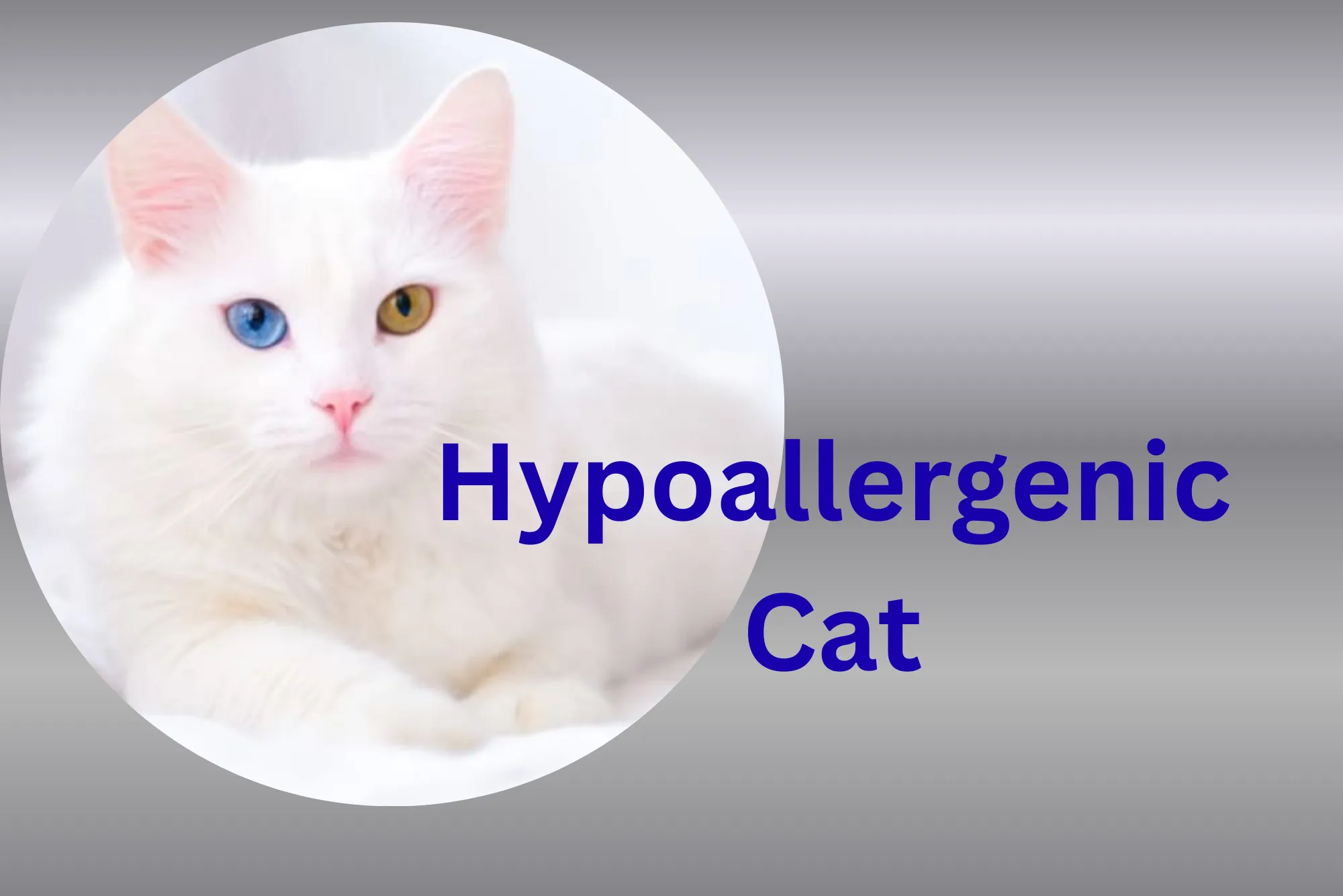
Are you allergic to cats but still dream of owning one? You’re not alone. Many pet lovers in the UK suffer from mild to severe pet allergies, especially from cats. Fortunately, hypoallergenic cat breeds exist, offering a purr-fect solution for allergy-prone pet owners. In this comprehensive guide, we explain hypoallergenic cat breeds, their care, and tips for finding your ideal feline companion — all optimised for allergy-friendly living.
What Does Hypoallergenic Mean in Cats?
In short: Hypoallergenic cats are breeds that produce fewer allergens, making them more tolerable for allergy sufferers.
Most cat allergies are triggered by the Fel d 1 protein found in saliva, skin, and dander. Hypoallergenic cats don’t eliminate this protein entirely but produce significantly less of it.
Key Takeaways:
- Hypoallergenic does not mean allergen-free
- Fel d 1 protein is the primary allergen
- Some breeds naturally produce less Fel d 1
Summary Table: Hypoallergenic Cat Facts
| Fact | Details |
| Main Allergen | Fel d 1 protein |
| Where It’s Found | Saliva, skin, dander |
| Allergy Reduction | Up to 80% in some breeds |
| Popular Hypo Breeds | Siberian, Balinese, Devon Rex |
| UK-Friendly? | Yes, most breeds are UK-available |
Top 10 Hypoallergenic Cat Breeds
Quick Answer: Not all cats are created equal — here are 10 allergy-friendly breeds popular among UK owners.
Siberian
- Surprisingly low in Fel d 1
- Affectionate and highly adaptable
- Medium to long hair, but still allergy-safe
Balinese
- Known as the “long-haired Siamese”
- Sleek and elegant
- Produces less Fel d 1
Devon Rex
- Very short, wavy coat
- Minimal grooming required
- Ideal for indoor homes
Cornish Rex
- Extremely short coat with minimal shedding
- Energetic and playful
Russian Blue
- Dense, shimmering coat
- Natural low Fel d 1 levels
- Quiet and loyal temperament
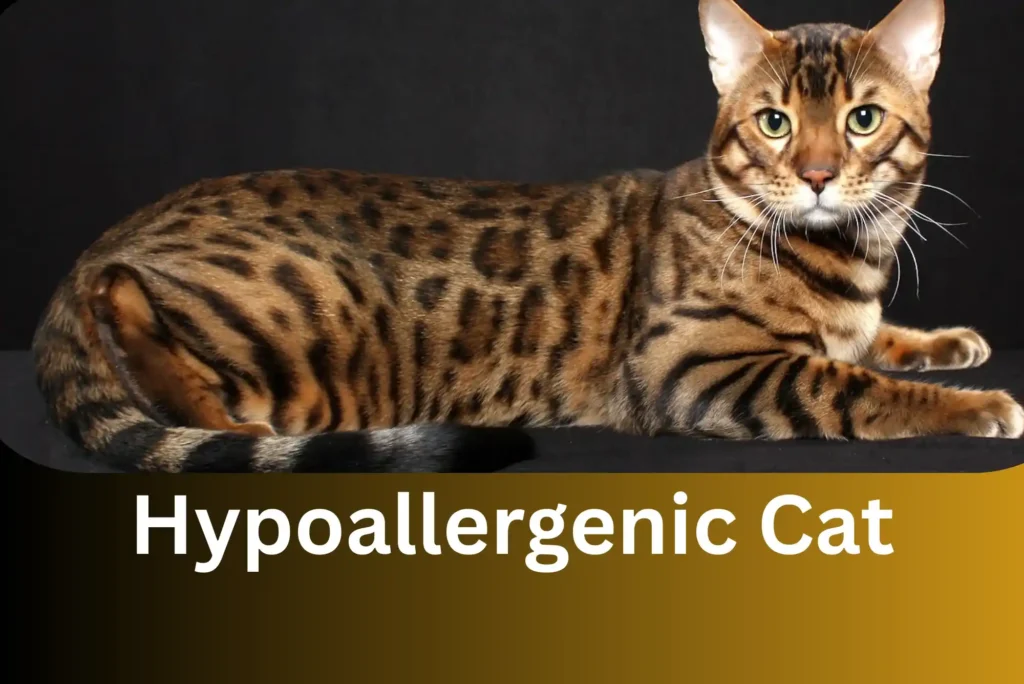
. Bengal
- Active and intelligent
- Tight short coat makes grooming easy
Oriental Shorthair
- Sleek, minimal dander coat
- Closely related to Siamese cats
Sphynx
- Hairless but requires regular skin care
- No shedding, but needs frequent bathing
. Javanese
- Single coat, little shedding
- Friendly and social
. Burmese
- Short, fine coat
- Gentle and good with children
To summarize: These cat breeds offer a manageable allergy profile — perfect for UK pet owners looking for affection without the sneezing.
Pros and Cons of Hypoallergenic Cats
Pros:
- Reduced allergy symptoms
- Easier to groom
- Often low-shedding
Cons:
- Still produce allergens (just less)
- Some require special care (like Sphynx)
- Can be costly to adopt
In short: Hypoallergenic cats are a great option, but they’re not a cure-all for allergies.
Do Hypoallergenic Cats Really Work?
Quick answer: For many people, yes — but results vary depending on individual sensitivity.
Expert insight: According to the American College of Allergy, Asthma, and Immunology, up to 10% of the UK population is allergic to cats. However, owners of hypoallergenic breeds often report fewer reactions.
Veterinarians recommend:
- Spending time with the breed before adopting
- Keeping the home clean and allergen-free
Tips to Reduce Cat Allergies at Home
- Groom regularly: Brush your cat 2–3 times a week
- Use HEPA filters in vacuums and air purifiers
- Clean bedding and furniture weekly
- Keep your cat out of the bedroom
- Wash hands after petting
To summarize: Even with a hypoallergenic cat, lifestyle changes play a big role in allergy control.
How to Adopt Hypoallergenic Cats in the UK
- Look for specialist breeders with certifications
- Consider UK rescue groups and hypoallergenic-focused shelters
- Check pet adoption platforms like Cats Protection, RSPCA, or Gumtree UK (always verify authenticity)
Pro Tip: Ask breeders for allergen test results and parent cat history.
UK-Centric Grooming Advice for Allergy Management
Quick answer: Weekly grooming is essential — especially in the damp UK climate.
UK tips:
- Use hypoallergenic grooming wipes
- Choose fragrance-free shampoos
- Avoid overbathing, which can dry the skin
Veterinarian tip: “In humid UK homes, regular grooming can help reduce moisture-related allergens and dander.”
Are Hypoallergenic Cats Right for Kids and Families?
Yes — breeds like the Burmese and Siberian are known to be great with children. They are affectionate, easygoing, and less likely to trigger allergic reactions.
To summarize: Families in the UK often prefer these cats for their sociability and allergy-friendliness.
FAQ Section
What are the best hypoallergenic cat breeds for adoption in the UK?
The best breeds include Siberian, Balinese, and Devon Rex. These are commonly found through UK-specific breeders and rescue organisations.
Are black hypoallergenic cat breeds real?
Yes, coat color doesn’t affect allergens, but some black cats like the black Devon Rex still qualify as hypoallergenic.
Do long-haired cats cause more allergies?
Not always. Some long-haired cats like the Siberian have low allergen levels despite their coats.
What’s the cheapest hypoallergenic cat breed?
Oriental Shorthairs and Javanese are generally more affordable than exotic breeds like the Sphynx or Bengal.
Can I test if I’m allergic before adopting?
Yes, many breeders offer allergy trial visits to check your reaction before adoption.
Final Thought
Hi, I’m Lucille L Fisher (50 years old), a passionate pet nutritionist and care expert with over 5 to 8 years of experience in raising healthy dogs and cats. Hypoallergenic cats can transform pet parenting for allergy-sensitive families. Just remember: no cat is truly allergen-free. Always consult with a vet before choosing a breed — and test your comfort before committing. Allergies are manageable, and with the right breed and care, cat companionship is absolutely possible.
Author Bio
Lucille L Fisher is a UK-based pet nutritionist and care advisor, dedicated to helping pet parents raise allergy-friendly, happy animals. With years of hands-on experience and real-world advice, Lucille believes every family deserves a feline friend — even with allergies.