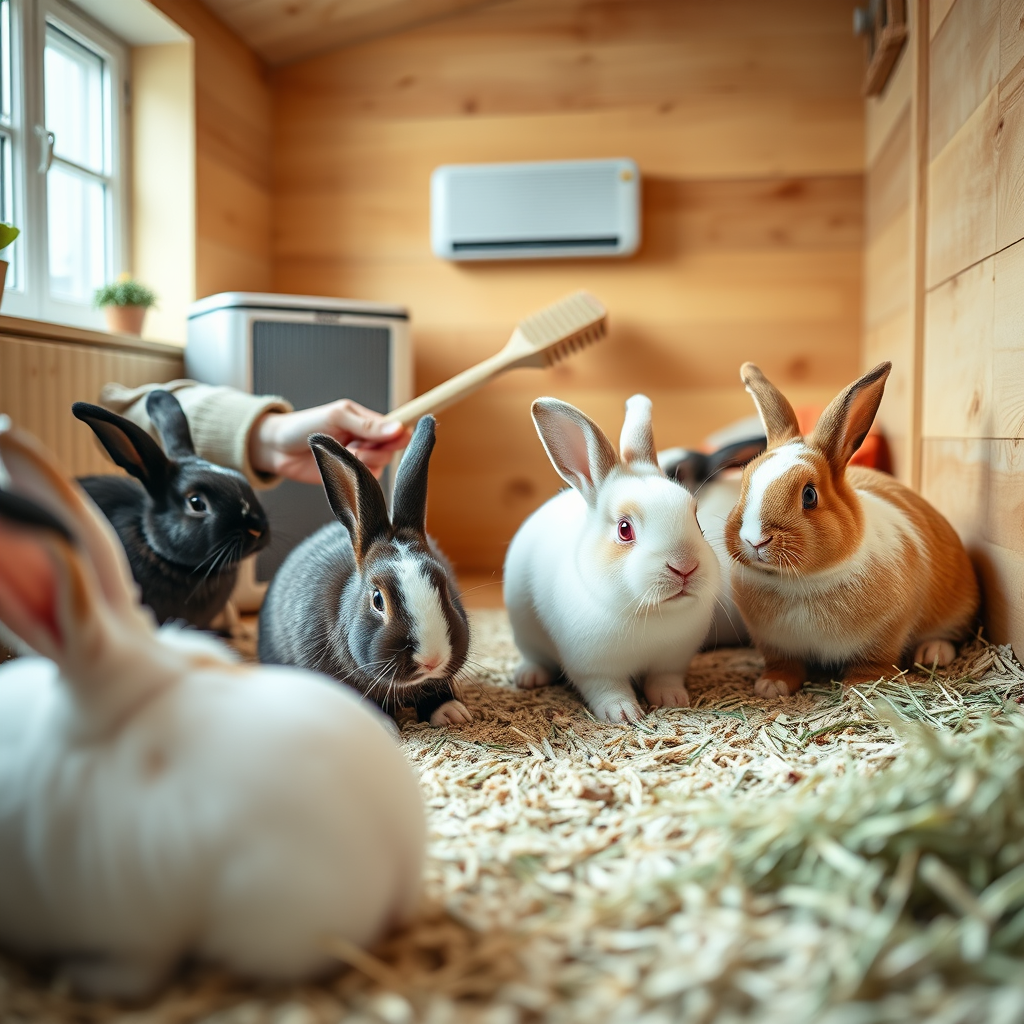
Rabbits are beloved companions across the UK, thanks to their gentle nature, soft coats, and suitability for small homes and gardens. But for individuals who suffer from pet allergies, rabbit fur can raise concerns. While no rabbit is 100% hypoallergenic, certain breeds have Low-Allergen Rabbit Fur that makes them easier to live with. By understanding which breeds are allergy-friendly and how to maintain a clean environment, sensitive owners can still enjoy the joys of rabbit companionship.
What Makes Rabbit Fur Allergenic
Contrary to common belief, allergies aren’t caused by rabbit fur alone. The primary triggers are proteins in their dander (dead skin flakes), saliva, and urine. These allergens attach themselves to fur, spreading around the home through shedding. The amount of shedding, coat type, and grooming habits play a big role in determining how allergenic a rabbit is.
Quick Answer: Allergens come from dander and saliva proteins, not the fur itself.
Are There Truly Hypoallergenic Rabbit Breeds?
The term “hypoallergenic” can be misleading. No rabbit breed is completely free from allergens. However, some breeds shed less and require minimal grooming, reducing allergen spread. For UK households with allergy sufferers, these breeds are more manageable.
Quick Answer: No rabbit is fully hypoallergenic, but certain breeds are more allergy-friendly than others.
Best Low-Allergen Rabbit Breeds to Consider
- Rex Rabbit – Famous for its dense, plush coat that doesn’t shed excessively. Requires little grooming and is considered one of the most allergy-friendly rabbit breeds.
- Mini Rex – A smaller version of the Rex with identical coat traits. Extremely low-shedding, making it highly recommended for allergy-prone homes.
- Netherland Dwarf Rabbit – Very small in size with fine, short fur. Produces fewer allergens compared to larger breeds.
- Polish Rabbit – Compact, sleek-coated, and easy to maintain indoors. Their low shedding makes them a good option for allergy-sensitive families.
How to Groom Hypoallergenic Bunnies Safely (UK Tips)
- Brush weekly with a soft-bristle brush to reduce loose dander.
- Use pet-safe grooming wipes for light fur cleaning.
- Clean hutches weekly using rabbit-friendly disinfectants.
- Run a HEPA air purifier indoors to trap airborne allergens.
- UK Tip: Groom outdoors during dry weather to reduce allergen buildup in your home.
Diet & Its Effect on Shedding
Nutrition plays a direct role in coat health. A high-fibre diet with fresh hay, leafy greens, and limited pellets supports a glossy coat and reduces excess shedding.
Quick Answer: A balanced diet means fewer allergens released into the air.
Indoor vs Outdoor Rabbits: Allergy Considerations
- Indoor Rabbits: Offer closer companionship but increase allergen exposure.
- Outdoor Rabbits: Reduce allergens indoors but require secure, insulated hutches to cope with the UK’s damp, cold climate.
Reducing Allergens in the Home
- Wash rabbit bedding weekly.
- Avoid carpets in bunny areas.
- Vacuum using anti-allergen filters.
- Wash hands after handling rabbits.
Summary Table – Hypoallergenic Rabbit Breeds
| Breed | Coat Type | Shedding Level | Allergy Suitability |
|---|---|---|---|
| Rex Rabbit | Plush, short | Low | High |
| Mini Rex | Plush, short | Very Low | Very High |
| Netherland Dwarf | Short, fine | Low | Moderate |
| Polish Rabbit | Sleek | Low | Moderate |
FAQs
Is rabbit fur hypoallergenic?
No, allergens come from dander and saliva proteins, but some breeds produce fewer allergens.
Can I own a rabbit if I have allergies?
Yes, choose a low-shedding breed and follow strict cleaning routines.
Are short-haired rabbits better for allergies?
Yes, less fur usually means less dander spread.
Do any rabbits not shed?
No, but Mini Rex and Polish rabbits shed very little.
Final Thought
Hi, I’m Lucille L Fisher, a pet nutritionist and care specialist with 8+ years of experience in raising healthy pets. For allergy-prone pet lovers in the UK, adopting the right breed—such as the Mini Rex—combined with consistent cleaning and grooming routines can make rabbit ownership both enjoyable and manageable. While no rabbit is 100% hypoallergenic, informed choices and proper care can bring the joy of bunny companionship even to sensitive households.