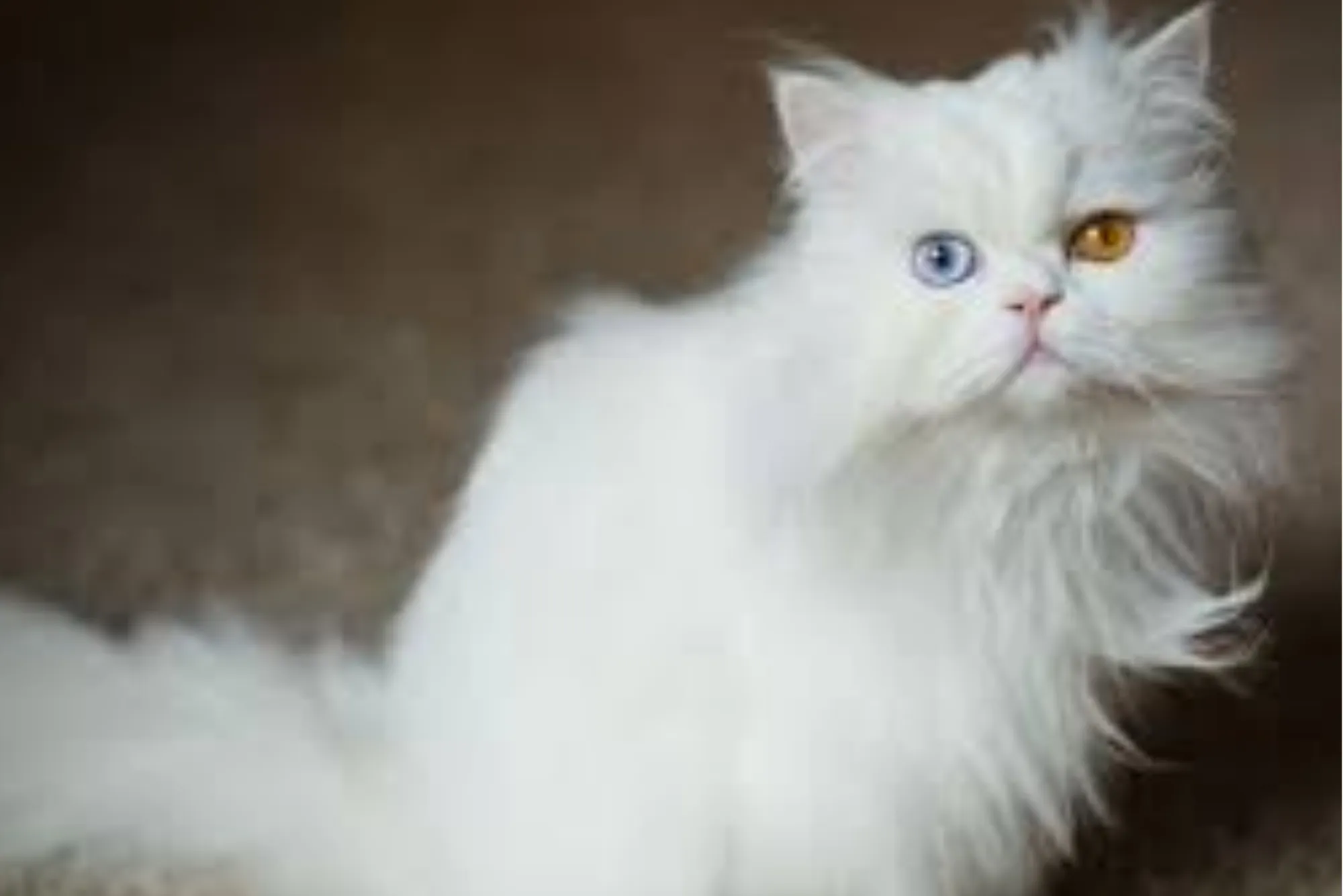
Persian cats may show behavioral issues such as inappropriate peeing, pooping outside the litter box, night-time restlessness, or excessive meowing due to stress, medical conditions, or changes in environment. and top guideline in Persian Cat Behavior Problems in the House: A UK Owner’s Guide for Uk peoples .
1. Inappropriate Urination
Why is my Persian cat peeing in the house all of a sudden?
This is one of the most common complaints among Persian cat owners. Inappropriate urination can be caused by:
- Urinary tract infections (UTIs)
- Dirty litter box
- Change in litter type or box location
- Stress or anxiety
- Territorial marking (especially male cats)
To summarize:
Always rule out medical causes first. Male cats, especially unneutered ones, are more likely to spray. A clean, quiet litter area is essential.
2. Night-Time Behavior Problems
Persian cat behavior problems at night often include:
- Restless pacing
- Excessive meowing
- Scratching furniture or doors
In short:
Cats are crepuscular, meaning they are most active during dawn and dusk. Persian cats may get bored at night if they haven’t had enough stimulation during the day.
3. Defecating Outside the Litter Box
Sudden pooping around the house can signal:
- A dirty or inaccessible litter box
- Dietary issues
- Stress or fear
Quick answer:
If your cat starts pooping in odd places, consult a vet and reassess litter box hygiene and accessibility.
4. Aggression or Fearful Behavior
Persian cats are typically gentle, but some may show signs of aggression or anxiety due to:
- Loud noises
- Presence of other pets
- Poor early socialization
To summarize:
Create a quiet, safe space for your Persian cat. Slowly introduce new people or animals.
How to Fix Cat Behavior Problems (Step-by-Step)
Step 1: Rule Out Medical Issues
According to PetMD, sudden behavior changes in cats often stem from medical problems. UTIs, kidney disease, and diabetes can all cause inappropriate urination.
Quick answer:
Visit your vet to eliminate health issues before addressing behavior.
Step 2: Ensure Litter Box Comfort
- Use unscented clumping litter
- Keep box clean (scoop twice daily)
- One box per cat, plus one extra
- Place boxes in quiet, accessible areas
In short:
A clean, well-placed litter box solves many urination issues.
Step 3: Provide Daily Enrichment
Persian cats need mental stimulation:
- Interactive toys
- Climbing trees
- Scheduled playtimes
To summarize:
Boredom often triggers behavior issues—play helps prevent them.
Step 4: Consider Neutering/Spaying
Unneutered males and unspayed females are more prone to marking and restlessness.
Quick answer:
Discuss neutering with your vet—it often reduces aggression and spraying.
Step 5: Use Calming Aids
- Feliway diffusers (pheromone therapy)
- Herbal sprays
- Calming collars
To summarize:
Calming products reduce stress-induced behaviors effectively.
Male vs. Female Persian Cat Behavior Differences
Male Persian Cat Behavior Problems in House
- More likely to spray urine for marking
- Territorial and vocal
Female Persian Cat Behavior Problems in House
- More reserved but can become anxious
- May hide or refuse food when stressed
In short:
Male cats tend to display marking behaviors, while females often internalize stress.
Persian Cat Behavior Characteristics
Persian cats are:
- Calm and affectionate
- Low-energy
- Sensitive to routine changes
Quick answer:
Consistency is key. Sudden changes in schedule or environment may upset your Persian cat.
Grooming and Environmental Tips (UK-Centric)
In the UK, cold and damp weather can affect your Persian cat’s coat and mood.
Grooming schedule:
| Coat Type | Grooming Frequency |
| Long Hair | Daily brushing |
| Short Hair | Every other day |
UK-specific advice:
- Use dehumidifiers in damp homes
- Warm sleeping areas are essential
- Vet visits for mats and furballs are common in winter
To summarize:
Grooming and a warm environment reduce stress and Health-related behavior issues.
How to Discipline a Persian Cat (Humanely)
Do NOT:
- Shout or punish physically
- Rub nose in mess
DO:
- Use redirection (toy distraction)
- Reward good behavior with treats
Quick answer:
Positive reinforcement always works better than punishment.
Pros & Cons of Persian Cat Ownership (Behavior-Wise)
Pros:
- Calm demeanor
- Easy to train with patience
Cons:
- Prone to behavioral issues due to stress
- Sensitive to noise and environmental change
To summarize:
They are great companions but need a peaceful environment.
FAQ
Why is my male Persian cat peeing everywhere and meowing so much?
He may be marking territory or stressed. Vet check-ups can rule out infections or hormonal issues.
How to stop a cat from peeing in the house?
Keep the litter box clean, ensure privacy, reduce stress, and consult your vet.
Why do female cats pee in the house?
It may indicate stress, infection, or territory marking. Female cats also react to environmental changes.
What are the behavioral problems with Persian cats?
They may include inappropriate urination, night activity, excessive meowing, and sensitivity to stress.
How to fix cat behavior problems peeing?
Clean litter area, vet diagnosis, neutering, and using calming diffusers often help.
Final Thought
Hi, I’m Joseph V Worley, a passionate pet nutritionist and care expert with over 5 years of experience in raising healthy dogs and cats. Persian cats are loving, sensitive companions who thrive with the right care. Addressing their behavioral issues requires empathy, patience, and a bit of detective work—but the reward is a peaceful, joyful bond that lasts a lifetime.
Always consult with your vet before changing your cat’s routine or addressing behavior problems medically.
Author Bio
Hi, I’m Joseph V Worley, a passionate pet nutritionist and care expert with over 5 years of experience in raising healthy dogs and cats. I believe behavior issues in pets are often misunderstood—and can be fixed with proper guidance.