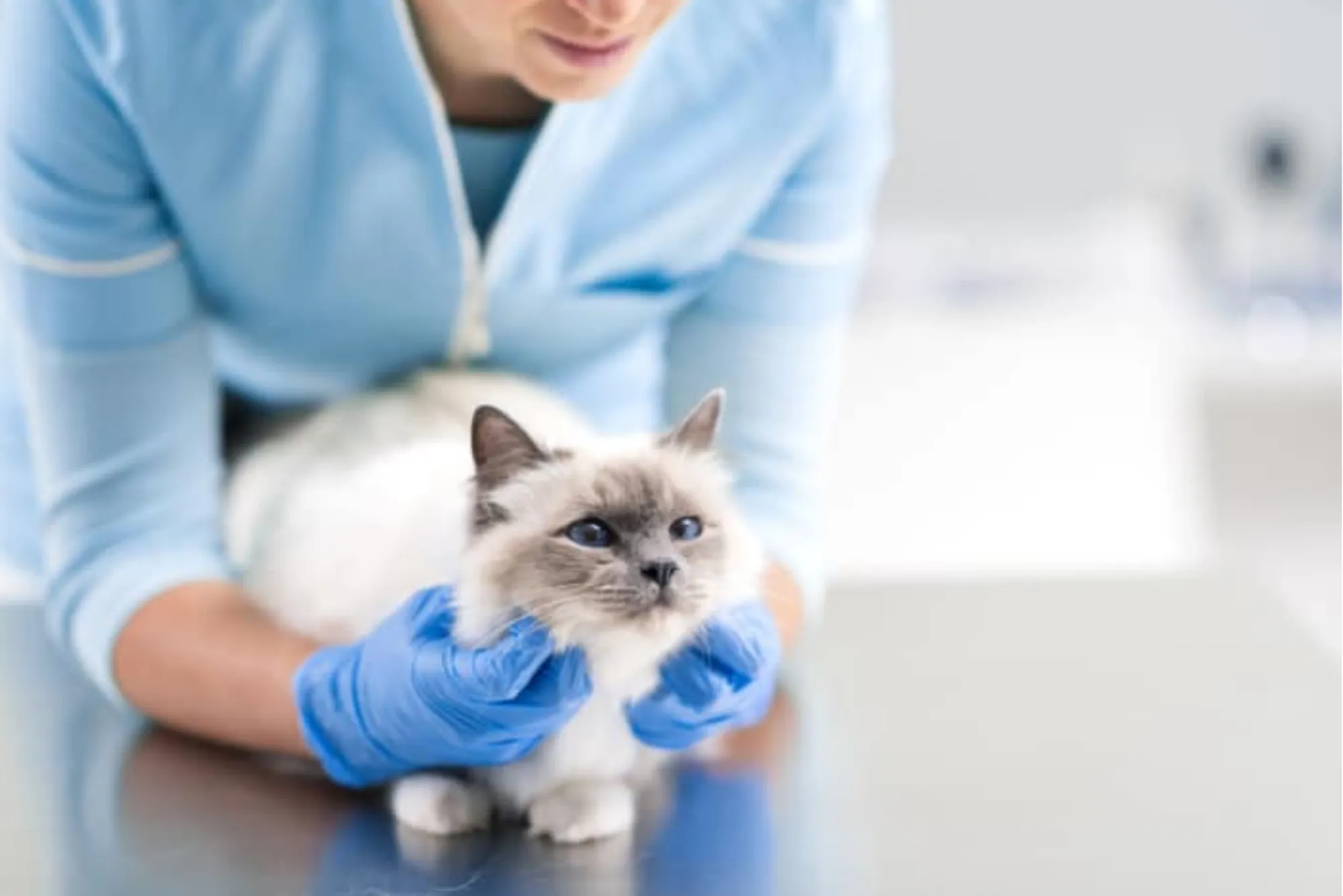
Rabies shots protect cats (and humans) from a fatal, incurable virus.
Rabies is a viral infection affecting the central nervous system. In cats, it’s commonly transmitted through the bite of an infected animal. Once symptoms of rabies appear, the outcome is almost always fatal. Even indoor cats are at some risk, which is why routine vaccination is recommended. Rabies vaccine for cats acts as a preventive shield, keeping your pet — and your household — safe.
To summarize: Rabies vaccines are not only vital for your cat’s health, but are legally required in many countries and crucial for public safety.
Rabies Vaccination Schedule for Cats
Quick answer: Most cats get their first rabies shot at 12 weeks, followed by boosters every 1–3 years.
- Initial vaccine: Around 12 weeks of age
- First booster: After one year
- Subsequent boosters: Every 1 or 3 years depending on local regulations and vaccine brand
In the UK, rabies vaccination isn’t typically required for cats unless they’re travelling abroad. However, rabies vaccination schedules are followed strictly for pets leaving or entering the country.
According to UK DEFRA guidelines, cats must be vaccinated 21 days before travel. EU-compliant microchipping and updated documentation are also necessary.
To summarize: Your vet will recommend the best schedule based on your cat’s age, health, and travel requirements.
How Much Does a Rabies Shot Cost for Cats?
Quick answer: Rabies shots for cats cost between £30–£65 in the UK, depending on location and provider.
- Private practices: £45–£65
- PDSA for eligible low-income households: Often subsidised or free
- Vets4Pets cat vaccination cost: Around £49
This fee usually covers the vaccine itself, administration, and sometimes a brief wellness check. If included in a cat health plan, the cost might be lower.
To summarize: Prices vary, but budgeting around £50 for a cat rabies shot in the UK is a safe estimate.
Rabies Shot Side Effects in Cats
Quick answer: Side effects are rare and mild — typically slight fever or soreness.
Common side effects:
- Temporary soreness at injection site
- Mild fever
- Lethargy
- Reduced appetite
Rare side effects:
- Allergic reactions (vomiting, swelling)
- Anaphylaxis (extremely rare)
Veterinarians recommend observing your cat for 24–48 hours post-vaccine. If symptoms persist or worsen, seek immediate medical help.
To summarize: Most cats tolerate the rabies shot well, but monitoring post-vaccination is always a good idea.
Can I Give My Cat a Rabies Shot at Home?
Quick answer: No. In the UK, rabies vaccines for cats must be administered by a licensed vet.
Even though some online forums discuss home vaccinations, UK law strictly prohibits unlicensed administration of rabies vaccines. For certification and travel documentation, vaccines must be logged by a veterinary professional.
To summarize: DIY rabies shots for cats are unsafe, illegal, and invalid for travel.
Restarting Cat Vaccinations: What If You Miss a Dose?
Quick answer: If your cat misses a booster, they may need to restart the vaccination series.
Vaccines lose their effectiveness over time. If your cat is overdue for a rabies shot, your vet may:
- Administer a new initial dose
- Recommend a shortened booster timeline
- Update documentation for travel or records
To summarize: Keep your cat’s vaccine schedule consistent. If missed, consult your vet — don’t guess.
First Signs of Rabies in Cats
Quick answer: Sudden aggression, drooling, and uncoordinated movements are early signs.
Symptoms usually develop within 1–3 months post-exposure:
- Sudden aggression or fearfulness
- Drooling or foaming at the mouth
- Unusual vocalisation
- Loss of balance or paralysis
- Seizures
To summarize: If your cat shows these signs, seek emergency vet care. Do not handle them directly.
Can Rabies Be Transmitted from Cats to Humans?
Quick answer: Yes. Rabies is a zoonotic virus — it can spread from animals to humans.
Infected cats can transmit rabies through biting or scratching. Once symptoms show in humans, rabies is nearly always fatal. That’s why vaccinating cats protects the entire household.
To summarize: Rabies shots for cats aren’t just about pet health — they’re a public health safeguard.
FAQs
How often do cats need a rabies shot?
Every 1–3 years depending on the vaccine type and local laws.
Is rabies vaccination mandatory in the UK?
Only for cats travelling abroad or entering the country.
Can a cat survive rabies?
No. Rabies is fatal once symptoms appear.
Is there a home test for rabies in cats?
No. Rabies diagnosis requires laboratory testing.
Are kittens vaccinated against rabies?
Yes, usually starting from 12 weeks of age.
Final Thought
Hi, I’m Joseph V Worley, a passionate pet nutritionist and care expert with over 5 years of experience in raising healthy dogs and cats. I believe routine vaccinations like rabies shots are a fundamental step in ensuring long-term health and peace of mind — not just for your cat, but for your family too. Always consult your vet and stick to the recommended schedule to keep your furry friends safe.
Author Bio
Joseph V Worley is a certified pet care specialist with expertise in feline nutrition and preventive healthcare. He’s spent over 5 years helping cat owners make informed decisions through trusted advice, evidence-based care, and practical pet parenting tips.
1 thought on “Rabies Shot for Cats: Schedule, Side Effects, Cost, and UK Guidelines”